PetSmart Snakes: What They Sell and What It Costs
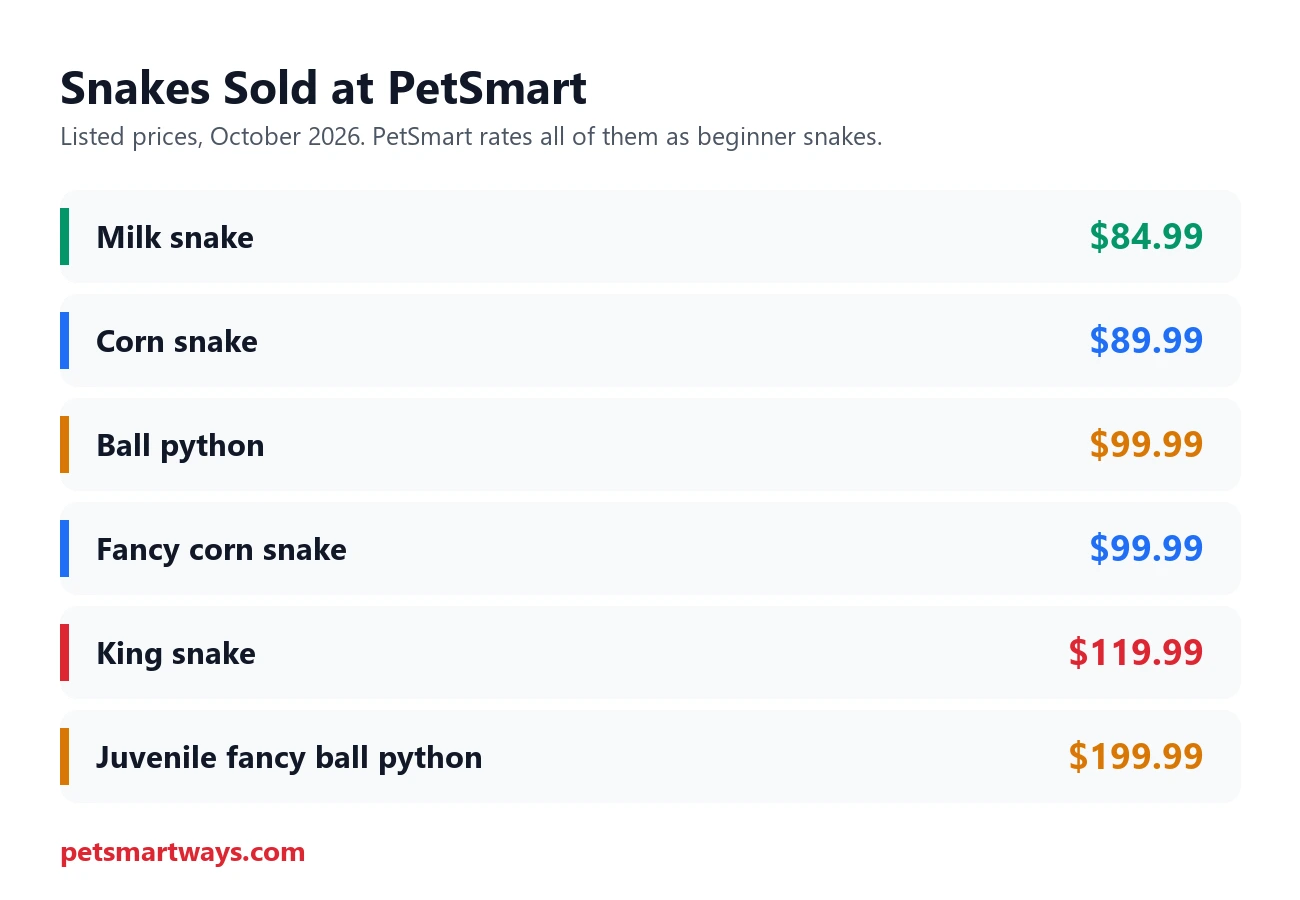
PetSmart sells four kinds of pet snakes, corn snakes, ball pythons, milk snakes and king snakes, priced from $84.99 to $199.99. All are non-venomous, and PetSmart rates every one of them as a beginner snake.
Live snakes are sold in store only, and stock varies by location. Here’s what each snake costs, which one suits you and what you need before bringing one home.
Snakes PetSmart Sells
| Snake | Listed price | Adult size | Lifespan |
|---|---|---|---|
| Milk snake | $84.99 | Medium | Long-lived |
| Corn snake | $89.99 | 48 to 60 inches | 18 to 23 years |
| Ball python | $99.99 | Up to 5 feet | 20 to 30 years |
| Fancy corn snake | $99.99 | 48 to 60 inches | 18 to 23 years |
| King snake | $119.99 | Medium | Long-lived |
| Juvenile fancy ball python | $199.99 | Up to 5 feet | 20 to 30 years |
Sizes and lifespans for corn snakes and ball pythons come from PetSmart’s care sheets. Prices were listed on petsmart.com in October 2026 and can differ in store.
Call your store before you go, since not every location has every snake. PetSmart often runs reptile deals, such as bonus Treats points on reptiles in store.
Corn Snakes
Corn snakes are the classic first snake. They’re docile, native to the U.S. and handle well once settled.
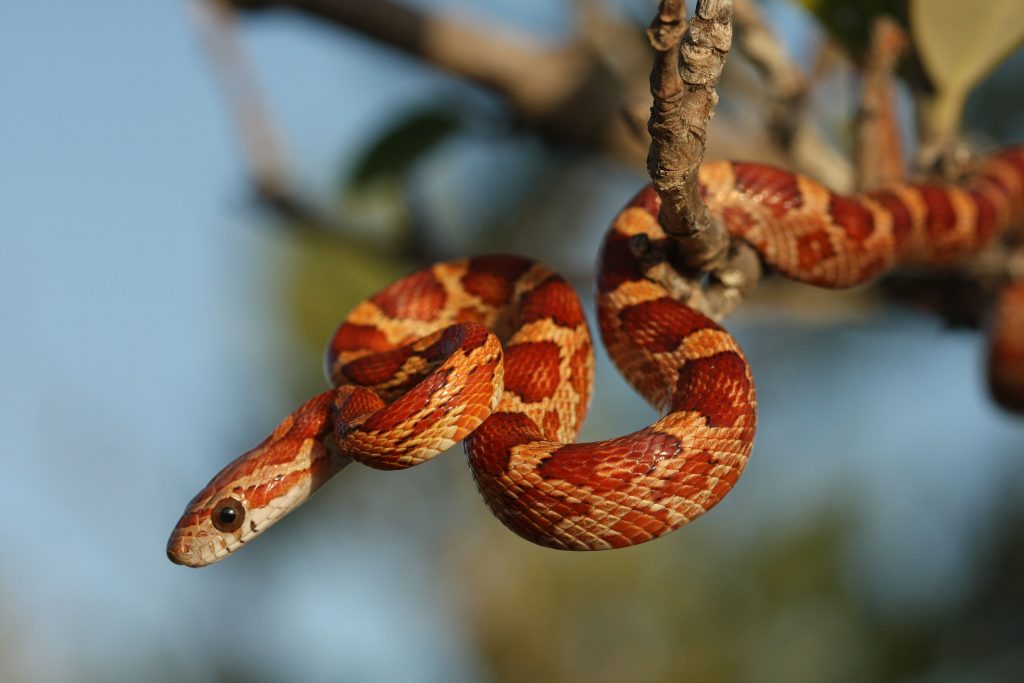
PetSmart’s care sheet says they grow 48 to 60 inches and live about 18 to 23 years. Fancy color morphs cost $99.99, $10 more than the standard $89.99.
They usually eat frozen-thawed mice without fuss, which makes them easier than many other snakes.
Ball Pythons
Ball pythons are calm and slow-moving, which makes them easy to handle. PetSmart says they grow up to 5 feet and live 20 to 30 years.
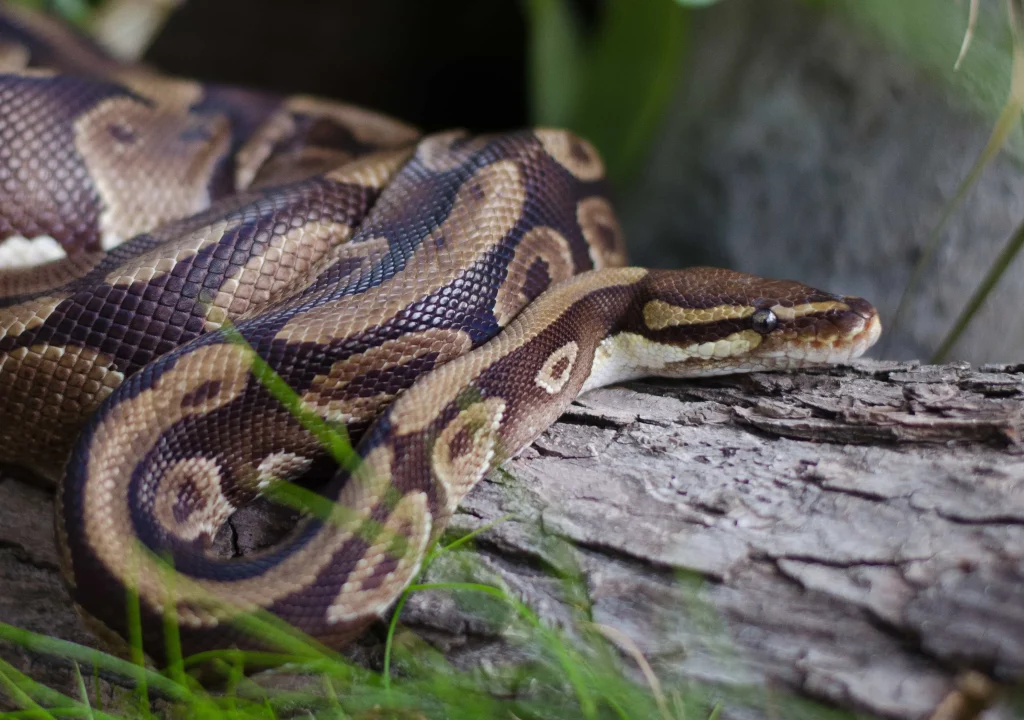
PetSmart’s care sheet calls for at least a 40-gallon terrarium with a locking screen lid, at least as long as the snake. Ball pythons should live alone.
They’re known for skipping meals, sometimes for weeks, which can be normal. Weigh your snake and talk to a reptile vet if weight drops.
Milk Snakes and King Snakes
Milk snakes cost $84.99 and king snakes $119.99. Both are active, curious snakes that like to explore their enclosure.
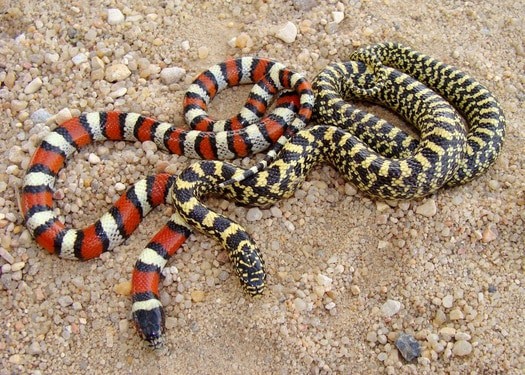
King snakes eat other snakes in the wild, so they must always be housed alone. Milk snakes should live alone too.
Both can be quick and wiggly when young. Regular, short handling helps them calm down as they grow.
Which Snake Should You Choose?
| If you want | Choose |
|---|---|
| The easiest first snake | Corn snake |
| A calm, slow snake to hold | Ball python |
| An active snake to watch | Milk or king snake |
| Bright colors and patterns | Fancy corn snake or fancy ball python |
Think about the lifespan before you buy. A snake bought for a child may still be alive when that child is an adult.
Still choosing between reptiles? Our PetSmart reptiles guide compares geckos, dragons and snakes, and our bearded dragon guide covers the top lizard option.
Setting Up the Enclosure
Have the enclosure running and stable for at least 24 hours before your snake comes home. Setting up around a live snake causes stress and feeding problems.
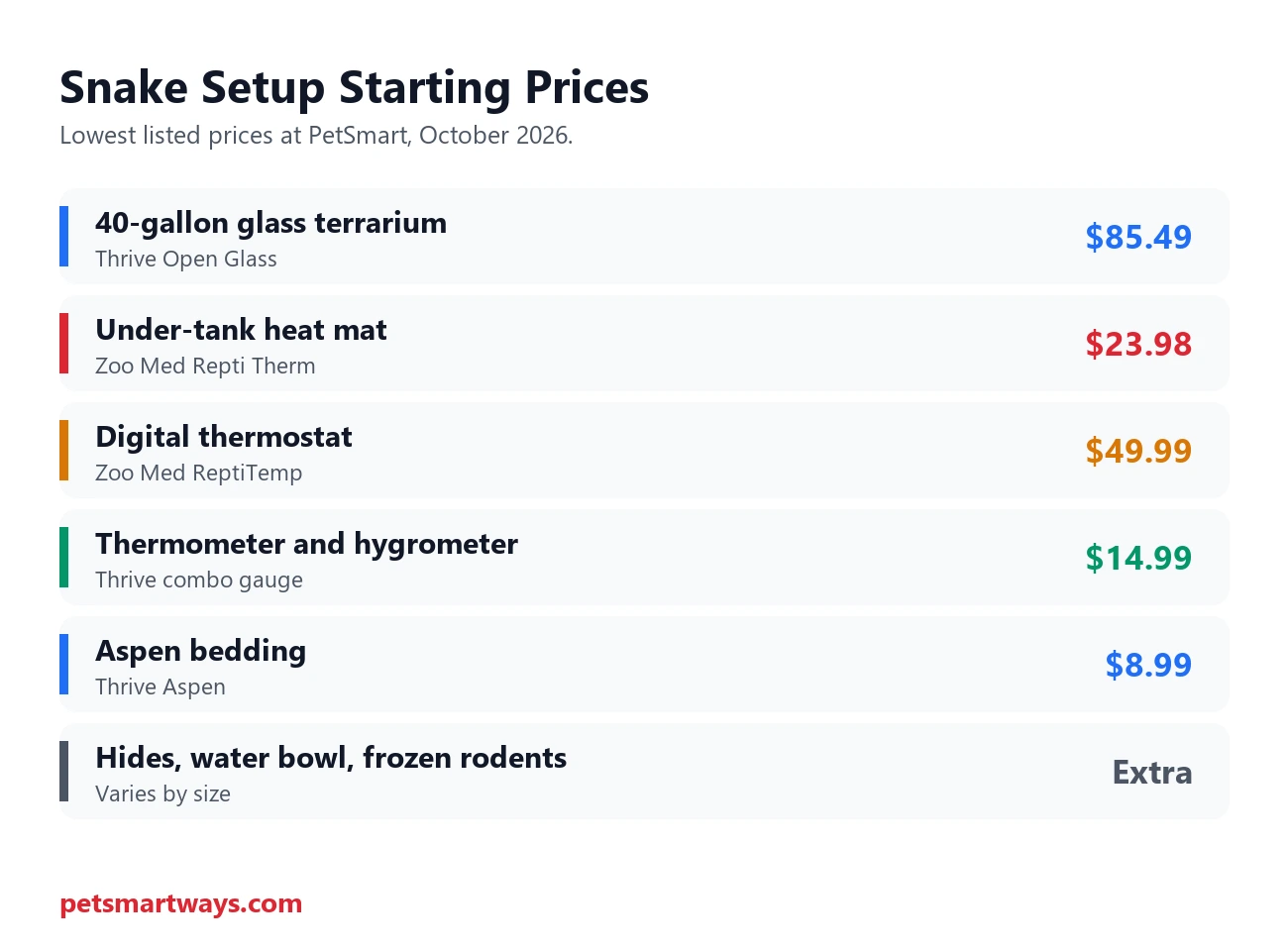
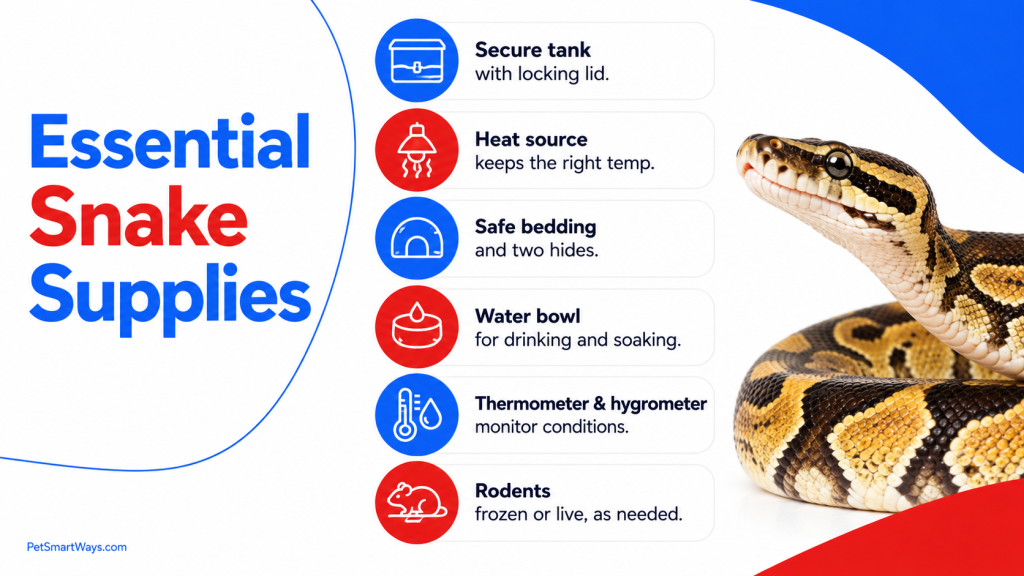
| Item | Why it matters |
|---|---|
| Glass terrarium with locking lid | Snakes are escape experts |
| Under-tank heat mat | Creates a warm side for digestion |
| Thermostat | Stops the heat mat from overheating |
| Thermometer and hygrometer | Tracks heat and humidity |
| Two hides | One on the warm side, one on the cool side |
| Water bowl | Big enough to drink from and soak in |
| Bedding | Aspen, coconut fiber or reptile carpet |
PetSmart also sells kits, like the Thrive Temperate Essentials 40-gallon kit for $155.99. Check whether a kit includes a thermostat, since many don’t.
Mistakes New Snake Owners Make
Skipping the thermostat is the big one. A heat mat plugged straight into the wall can overheat and burn your snake.
Loose lids are next. Snakes push at gaps constantly, so use clips or a locking lid.
Handling too soon also causes trouble. Give a new snake about a week to settle and one good meal before regular handling.
Feeding Your Snake
PetSmart’s ball python care sheet recommends frozen-thawed rodents, no wider than the widest part of the snake. Live prey can bite and injure your snake.
Thaw rodents in the fridge or in warm water, never in the microwave. Feed with tongs so your snake doesn’t mistake your hand for food.
Young snakes usually eat every week, and adults every week or two. Ask the store what and when your snake last ate.
Bringing Your Snake Home
PetSmart packs snakes in a secure container for the trip. Drive straight home and keep the container out of direct sun or cold drafts.
Place the snake in its ready enclosure and leave it alone for several days. Many snakes hide and skip their first meal while they settle in.
Heat and Humidity
Snakes need a warm side and a cooler side so they can control their body temperature. Place the heat mat under one end only.
Ball pythons need more humidity than corn snakes. A hygrometer tells you when to mist or add a damp hide.
Shedding
Snakes shed their skin every few weeks to months, more often when young. The eyes turn cloudy blue a few days before a shed.
Avoid handling during this time, since vision is poor and snakes can be defensive. A complete, single-piece shed is a sign of good humidity.
If bits stay stuck on the tail or eyes, raise the humidity and offer a humid hide. See a reptile vet if stuck shed doesn’t come off.
Cleaning the Enclosure
Spot-clean waste as soon as you see it and refresh the water every day or two. Replace all bedding and disinfect the enclosure every month or so.
Use a reptile-safe cleaner and rinse well. Let everything dry before your snake goes back in.
Choosing a Healthy Snake
- Clear eyes, except just before shedding when they turn cloudy
- No bubbles or mucus around the nose or mouth
- No stuck shed on the tail tip or around the eyes
- A firm grip and alert tongue flicking when handled
- A rounded body without visible ribs or spine
Ask when the snake last ate and whether it takes frozen-thawed food. A good feeding record is worth a lot.
PetSmart’s 14-Day Promise
Reptiles sold at PetSmart come with the PetSmart Promise. If your snake becomes ill within 14 days, or you’re not satisfied, PetSmart will replace it or refund the price.
PetSmart also recommends a 30-day quarantine away from other reptiles. Keep your receipt and book a reptile vet visit in the first week.
Our PetSmart store policies guide covers live pet rules, and our return policy guide covers supplies.
Handling and Safety
Support the snake’s body with both hands and let it move through your fingers. Avoid grabbing the head or tail.
Wash your hands before and after handling, since reptiles can carry salmonella. Adults should help children wash up afterward.
Saving on Your Setup
Buying the snake and gear together adds up quickly, so check for reptile deals first. Our PetSmart coupons guide lists current offers.
Treats Rewards points also add up on bedding and frozen food over a snake’s long life. See our Treats Rewards guide.
Snake Questions
How much is a snake at PetSmart?
Listed prices run from $84.99 for a milk snake to $199.99 for a juvenile fancy ball python.
Can I buy a snake online from PetSmart?
No, live snakes are sold in store only.
What size tank does a ball python need?
PetSmart’s care sheet says at least 40 gallons, with a locking screen lid.
How often do pet snakes eat?
Young snakes usually eat weekly, and adults every week or two, depending on species and size.
Does PetSmart sell venomous snakes?
No. All snakes PetSmart sells are non-venomous.