Buying a Bird at PetSmart? Read This First
PetSmart sells parakeets, finches, canaries, cockatiels and conures, from $44.99 up to $904.99. The bird is the cheap part, since a good cage and setup often cost more than a parakeet.
Here’s what each species costs, how they differ, and what to buy before you bring one home.
| Bird | PetSmart price | Typical lifespan |
|---|---|---|
| Parakeet | $44.99 | 5 to 10 years, sometimes more |
| Zebra finch | $49.99 | 5 to 10 years |
| Canary | $149.99 | 10 to 15 years |
| Cockatiel | $399.99 | 15 to 20 years or more |
| Green cheek conure | $799.99 | Often 20 years or more |
| Fancy conure | $904.99 | Often 20 years or more |
Birds You Can Buy at PetSmart
PetSmart’s live bird listings currently show nine options across five types. Stock varies by store, so call ahead before making the trip.
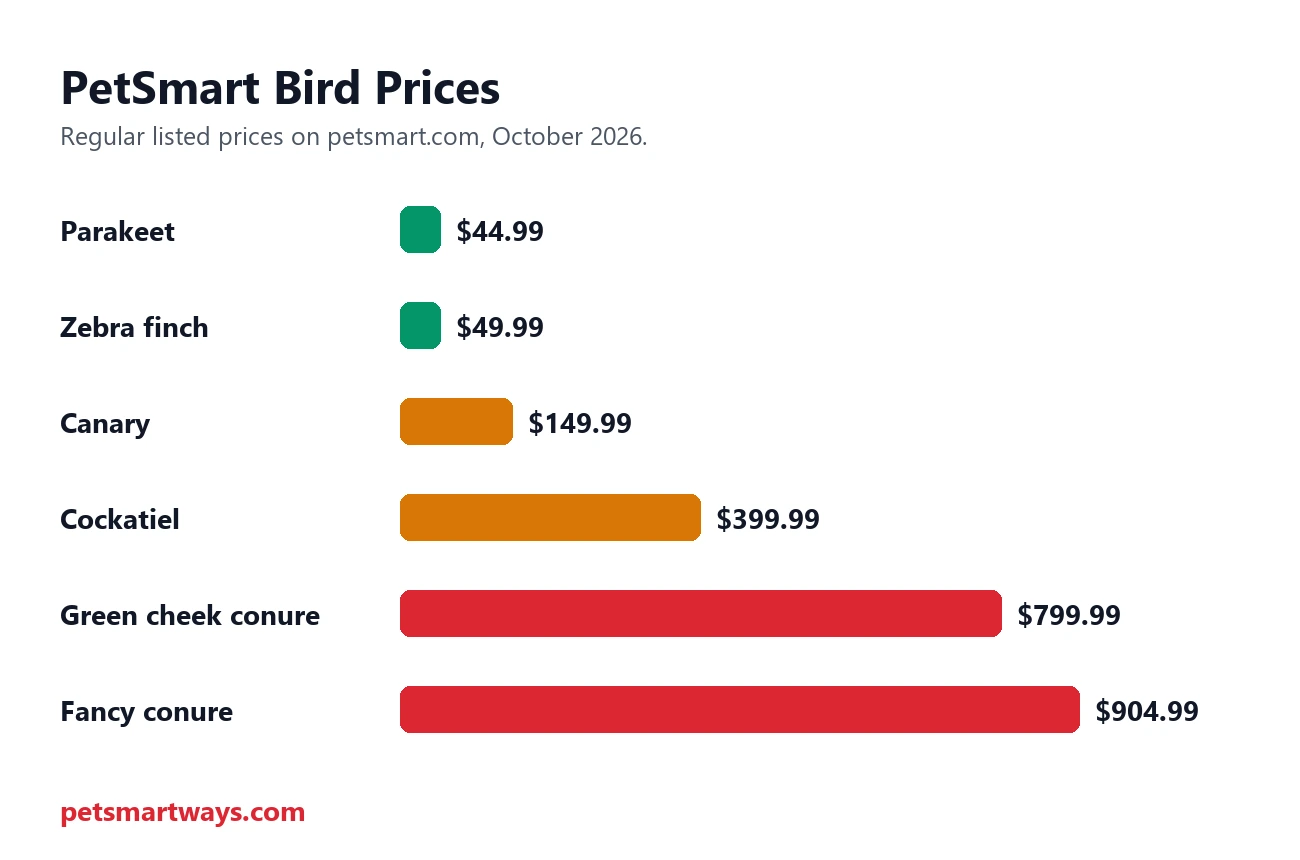
Prices are the regular listed prices. PetSmart often runs bird offers, and in October 2026 it had 20% off parakeets in store through November 1.
Parakeets
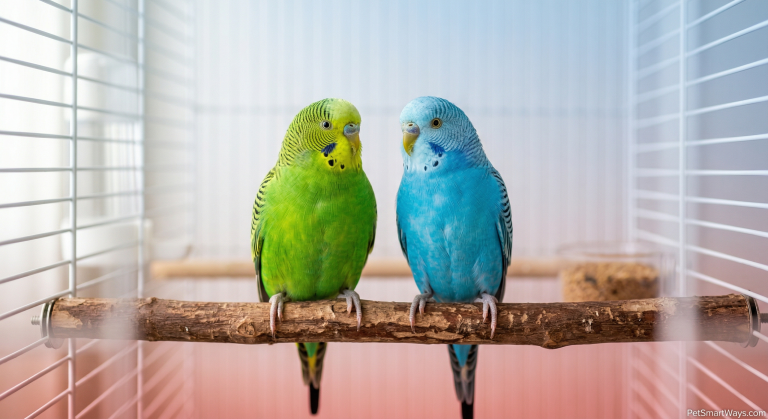
Parakeets, also called budgies, are PetSmart’s cheapest and most popular birds at $44.99. They’re small, cheerful and social, and many learn to mimic words.
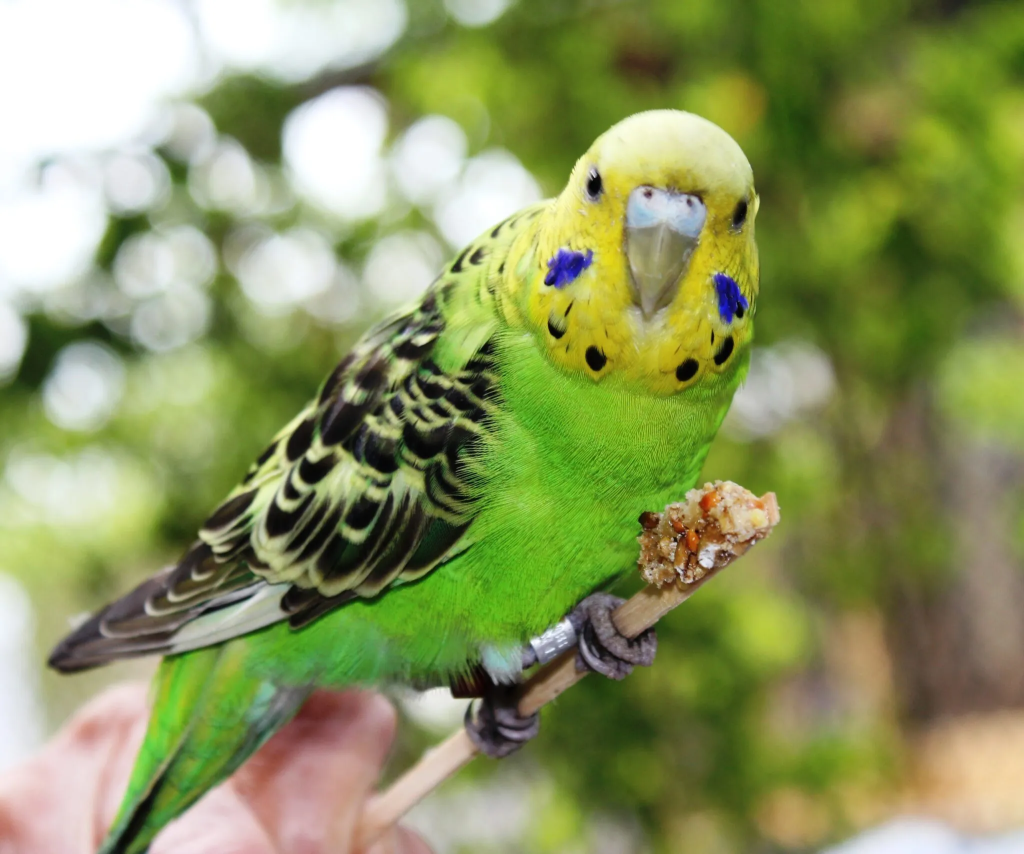
A single parakeet needs daily time with you, while a pair keep each other company. Our PetSmart parakeet guide covers the colors and costs in detail.
Cockatiels
Cockatiels cost $399.99 at PetSmart, far more than many people expect. They’re gentle, crested birds that whistle tunes and bond closely with their owners.
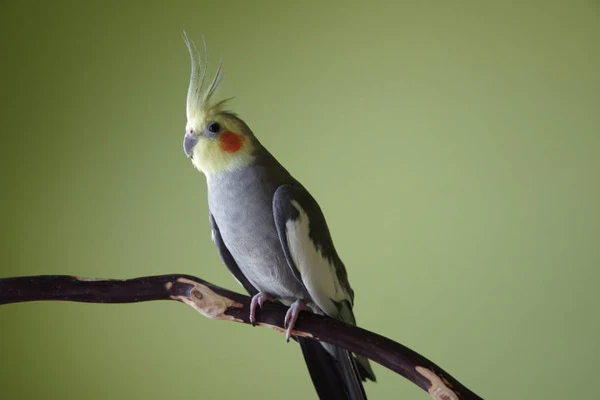
Plan on at least a couple of hours of social time every day. With a lifespan of 15 to 20 years or more, a cockatiel is a long commitment.
Canaries
Canaries cost $149.99 and are kept mainly for their song. Males are the singers, so ask the associate if song matters to you.
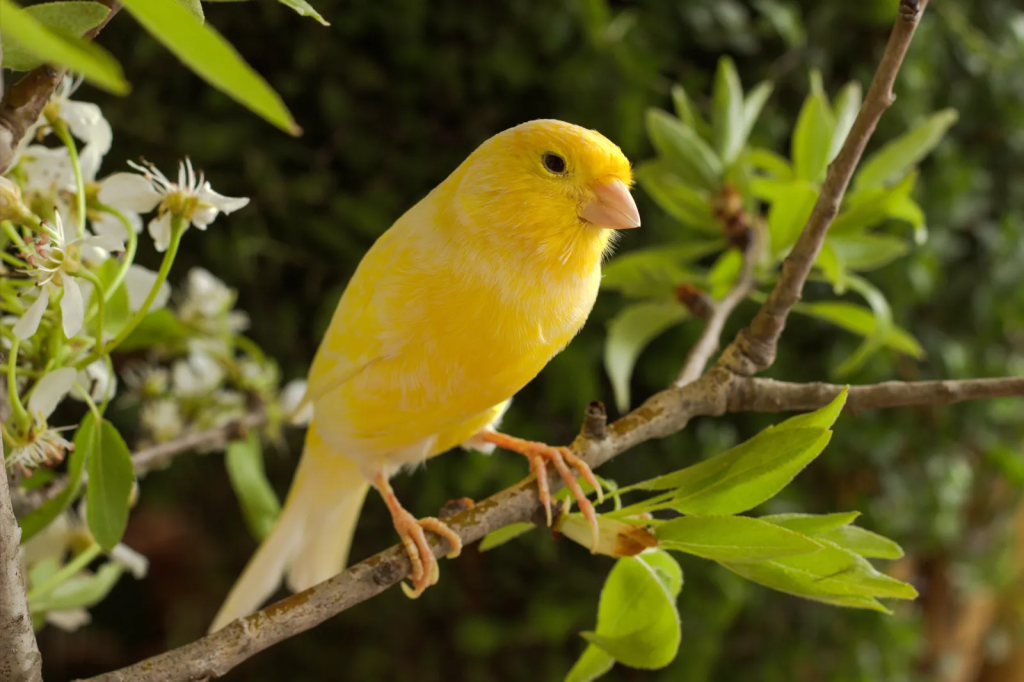
Canaries prefer watching to being handled. They suit people who enjoy a bird’s company without daily hands-on time.
Finches
Zebra finches cost $49.99 each and are happiest in pairs or small groups. They chirp softly and entertain each other, so they need little handling.
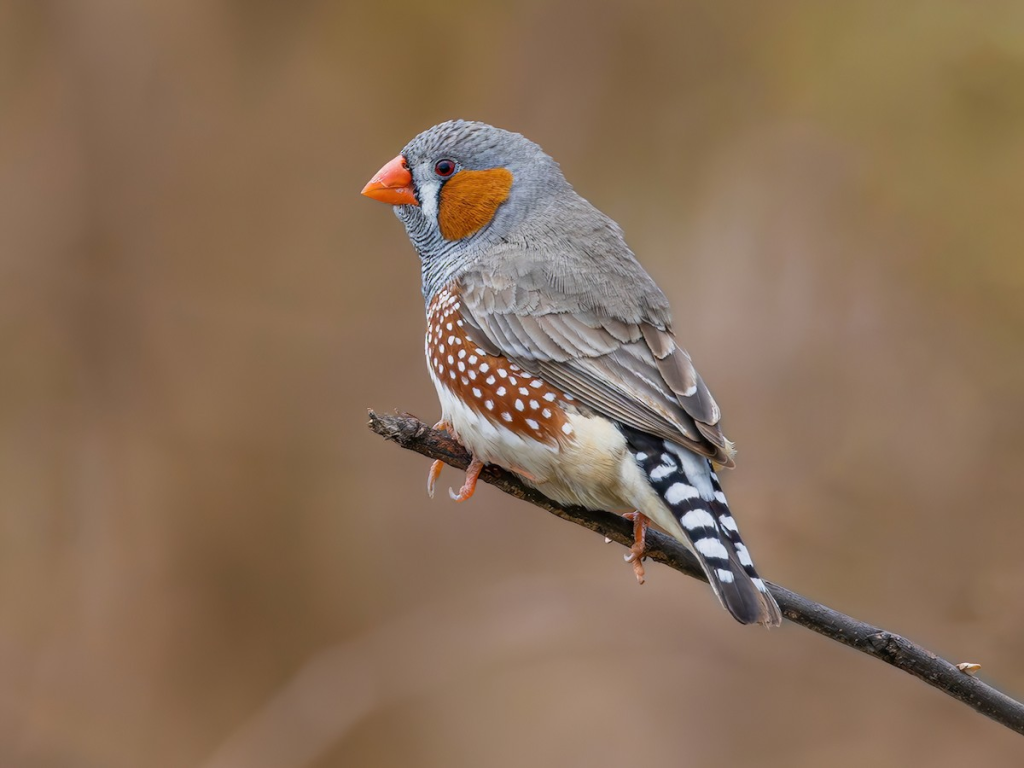
Finches need a cage that’s wider than it is tall, since they fly side to side. Bar spacing must be narrow enough that they can’t squeeze through.
Conures
PetSmart now sells green cheek conures at $799.99 and fancy conures at $904.99. They’re small parrots with big personalities, and they love to play and be handled.
Conures can be loud, especially at dawn and dusk. They’re better for houses than thin-walled apartments, and they can live 20 years or more.
Choosing a Bird for Your Home
Noise, space and time matter more than looks. Match the bird to your daily routine.
| If you want | Consider |
|---|---|
| A quiet bird for an apartment | Finches or a canary |
| A friendly, low-cost starter bird | A parakeet |
| A cuddly bird that whistles | A cockatiel |
| A playful parrot and can handle noise | A conure |
| Little hands-on time each day | Finches |
Birds live a long time, and many outlive the excitement of buying one. Choose a species you can care for through every year of its life.
Which Birds Talk?
If talking matters to you, choose carefully. Only some PetSmart birds mimic speech.
| Bird | Talking and sounds |
|---|---|
| Parakeet | Can learn many words, especially males |
| Cockatiel | Better at whistling tunes than talking |
| Conure | Some learn a few words, and all are loud |
| Canary | Sings but doesn’t talk |
| Finch | Soft chirps only |
Repeat the same short word or phrase when your bird is calm and attentive. Short daily sessions work far better than one long one.
One Bird or Two?
Birds are flock animals and get lonely on their own. Finches should always be kept in pairs or groups.
A single parakeet or cockatiel can thrive if you give it plenty of daily attention. Two birds keep each other company but often bond more with each other than with you.
First-Year Costs
The bird is often the smallest part of the bill. A proper cage, food and a vet visit add up quickly.
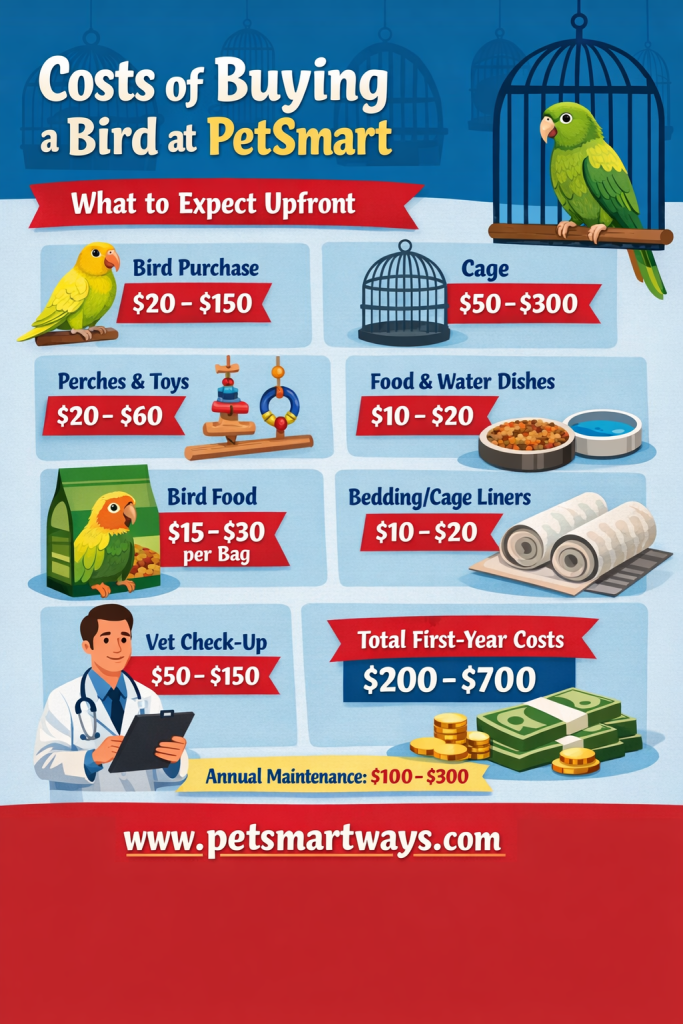
| Item | What to budget |
|---|---|
| Cage | $50 to $300, more for conures |
| Perches and toys | $20 to $60 |
| Food and water dishes | $10 to $20 |
| Pellets and seed | $15 to $30 a bag |
| Cage liners or bedding | $10 to $20 |
| First avian vet visit | Often $50 to $150 |
Budget more for larger birds, which need bigger cages and more toys. Shopping with Treats Rewards earns points back on recurring supplies.
Setting Up the Cage
Buy the biggest cage you can fit and afford. Birds spend most of their lives in it.
| Bird | Minimum cage | Bar spacing |
|---|---|---|
| Parakeet | 18 x 18 x 18 inches | Up to 1/2 inch |
| Finches | 30 inches wide for a pair | Up to 3/8 inch |
| Canary | 24 inches wide | Up to 1/2 inch |
| Cockatiel | 24 x 24 x 30 inches | 1/2 to 5/8 inch |
| Conure | 24 x 24 x 36 inches | 1/2 to 3/4 inch |
Add perches of different thicknesses to keep feet healthy, and choose natural wood over smooth plastic. Rotate toys weekly so your bird doesn’t get bored.
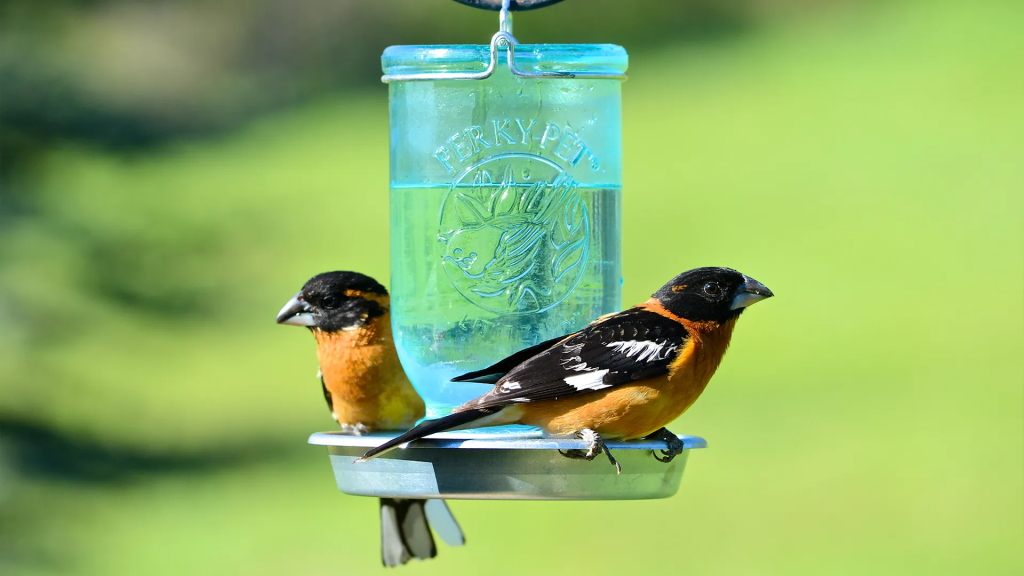
Use separate dishes for food and water, and change the water every day. Stainless steel is the easiest to keep clean.
Day-one shopping list
- Cage with the right bar spacing
- Three or four perches in different sizes
- Food and water dishes, plus a bath dish
- Pellets and a seed mix made for your species
- Cage liners, a cover and a few toys
- A small travel carrier for vet visits
Feeding Your Bird
Pellets should be the base of most pet birds’ diets, with seed as a smaller part. A seed-only diet lacks key nutrients.
Add fresh vegetables daily, like leafy greens, carrots and broccoli. Remove fresh food after a few hours so it doesn’t spoil.
- Avocado
- Chocolate
- Caffeine
- Alcohol
- Salty or fatty snacks
Never feed the foods above, since they’re toxic or harmful to birds.
Where to Put the Cage
Keep birds out of the kitchen. Fumes from overheated non-stick pans can kill a bird within minutes.
- Choose a room where the family spends time
- Avoid direct sun, drafts and air vents
- Keep the room around 65 to 80 degrees
- Give 10 to 12 hours of quiet darkness each night
A cage cover helps with sleep, especially in busy homes. Lack of sleep can lead to stress and feather plucking.
Picking a Healthy Bird
Watch the bird for a few minutes before you buy. Healthy birds are alert, active and interested in their surroundings.
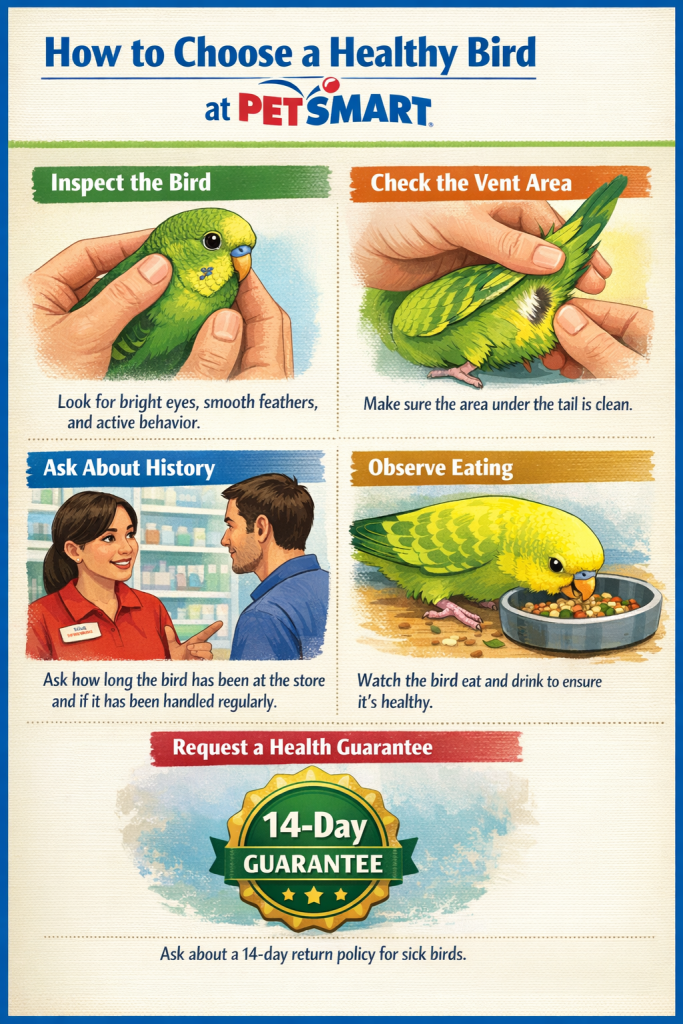
- Bright, clear eyes with no discharge
- Smooth feathers without bald patches
- A clean vent under the tail
- Quiet breathing, without clicks or wheezes
- Eating and moving around normally
Every bird PetSmart sells comes with its 14-day Vet Assured guarantee. Keep the receipt, as our live pet return guide explains.
Bringing Your Bird Home
Set up the cage completely before the bird arrives. Moving is stressful, and a ready home helps it settle.
For the first few days, keep things quiet and let your bird watch the room from its cage. Talk softly as you pass so it learns your voice.
- Rest your hand near the cage for a few minutes each day
- Offer a favorite treat, like millet, through the bars
- Once it takes treats calmly, offer them inside the cage
- Teach it to step onto your finger with a gentle push under the belly
- Keep sessions short and end on a calm note
Taming can take days for a young parakeet or weeks for a nervous bird. Patience works far better than chasing a bird around the cage.
Daily and Weekly Care
| How often | Task |
|---|---|
| Every day | Fresh water, fresh food and removing leftover vegetables |
| Every day | Time out of the cage or interaction with you |
| Every day | Spot clean droppings and change the liner |
| Every week | Wash dishes and perches, and rotate toys |
| Every month | Deep clean the whole cage |
| Every year | Avian vet checkup |
Most birds enjoy a shallow dish of water or a light misting to bathe. Bathing keeps feathers in good condition.
Signs of a Happy or Stressed Bird
| Happy bird | Stressed or unwell bird |
|---|---|
| Chirping, singing or chattering | Silent for long periods |
| Preening its feathers | Pulling or plucking feathers |
| Eating well and playing with toys | Ignoring food and toys |
| Smooth, sleek feathers | Fluffed up for hours, especially in the day |
| Perching on one foot to rest | Sitting on the cage floor |
Changes in droppings can also signal illness. Call an avian vet if anything seems off for more than a day.
Keeping Your Bird Safe at Home
Most bird accidents happen during time out of the cage. Bird-proof the room before you open the door.
- Turn off ceiling fans
- Close windows and outside doors
- Keep cats and dogs out of the room
- Cover mirrors and large windows until your bird learns them
- Avoid aerosol sprays, scented candles and air fresheners nearby
- Move toxic plants out of reach
Never leave a bird out with a cat or dog unsupervised, even a gentle one. A single scratch or bite can be fatal to a small bird.
Vet Care and Grooming
Book an avian vet visit within the first week or two. Birds hide illness well, so a baseline checkup matters.
Not every vet treats birds, so find an avian vet before you need one. Signs worth a call include fluffed feathers, a tail that bobs as the bird breathes, or a bird sitting on the cage floor.
PetSmart’s grooming salons focus on dogs and cats. Ask your avian vet about nail trims and whether wing trims suit your bird.
Bird Questions
Does PetSmart sell lovebirds or large parrots?
Not in the current online listings, which show parakeets, finches, canaries, cockatiels and conures. Stock can vary by store.
Can I buy a bird online?
You can browse online, but live birds are sold in stores. Check your local store for what’s in stock.
Can I adopt a bird instead?
Yes, some rescues adopt out birds, and PetSmart Charities lists birds among adoptable pets. Our PetSmart adoption guide explains how it works.
How long do PetSmart birds live?
It depends on the species, from about 5 to 10 years for parakeets and finches to 20 years or more for conures. Good diet and vet care help them reach the upper end.
What other small pets does PetSmart sell?
PetSmart also sells hamsters, guinea pigs, reptiles and fish. See our guides to small animals and reptiles if a bird isn’t the right fit.
Which PetSmart bird is best for kids?
Parakeets and cockatiels are usually the easiest to handle. An adult should still take charge of daily care.