PetSmart Pet Insurance: Plans, Prices & Coverage
PetSmart sells pet insurance through Healthy Paws, an accident and illness plan for dogs and cats with no payout limits. You get a quote on petsmart.com, and the policy works at any licensed vet, not just Banfield.
It doesn’t pay for vaccines or checkups, which is what Banfield wellness plans are for. Below is what the plan covers, what it costs and when it’s worth buying.
PetSmart’s Healthy Paws Plan at a Glance
| Feature | What PetSmart lists |
|---|---|
| Insurer | Healthy Paws, a Chubb company |
| Pets covered | Dogs and cats, one pet per policy |
| Payout limits | None per claim, per year or for life |
| Reimbursement | Up to 90% of covered bills |
| Claims | Most processed within 2 days |
| Treats Rewards discount | 10% off in select states |
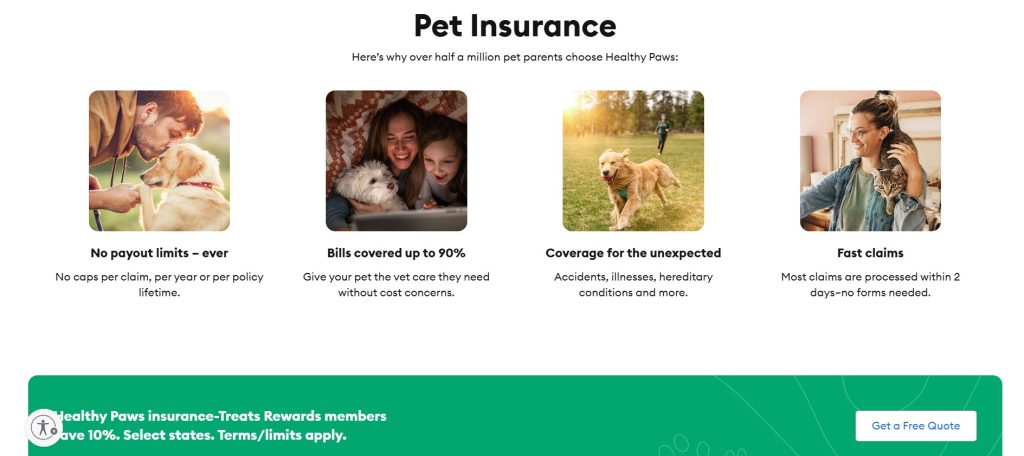
PetSmart says more than half a million pet parents use Healthy Paws. Quotes take a few minutes with your pet’s age, breed and ZIP code.
What the Plan Covers
Healthy Paws pays toward new accidents and illnesses, including cancer, emergency care and hereditary or genetic conditions. Because there’s no lifetime cap, a long cancer treatment won’t run out of coverage.
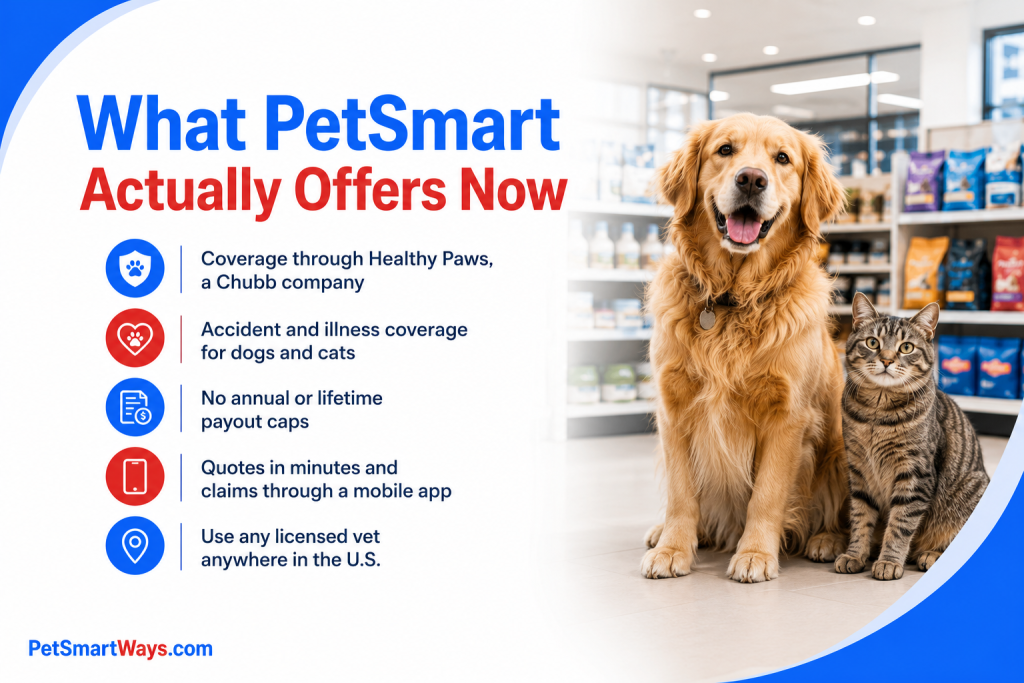
You can see any licensed vet in the U.S., including emergency and specialty hospitals. Claims are filed through the Healthy Paws app with a photo of the vet bill.
Each policy covers one pet. If you have two dogs or a dog and a cat, each needs its own policy.
What Healthy Paws Doesn’t Cover
- Pre-existing conditions, including signs noticed during the waiting period
- Vet exam fees, which Healthy Paws lists as excluded
- Vaccines, checkups and preventive care
- Spay or neuter surgery and other elective procedures
- Hip dysplasia for pets enrolled at age 6 or older
The exam fee exclusion surprises many owners. A sick visit can include an office fee that you’ll pay yourself even when the treatment is covered.
Routine care stays your cost, which is where low-cost PetSmart vaccine clinics still help. Insurance also won’t pay toward spay and neuter surgery.
Waiting Periods
Healthy Paws coverage for most conditions starts 15 days after the policy’s effective date. Anything that shows symptoms before then counts as pre-existing.
Hip dysplasia has a longer wait, which Healthy Paws lists as 12 months in most states. Some state policy documents show a different period, so check yours.
Pets under 6 also need a full vet exam within the 12 months before the policy starts or the 15 days after. Missing it can affect your coverage.
Insurance or the Banfield Wellness Plan?

PetSmart’s own FAQ says Healthy Paws isn’t meant to replace a Banfield Wellness Plan. A pet with only a wellness plan has no protection for a sudden surgery or serious illness.
Many owners use a wellness plan for routine visits and insurance for emergencies. Our guide to Banfield at PetSmart explains the plans and what they include.
How Much Pet Insurance Costs
According to the North American Pet Health Insurance Association, accident and illness plans averaged about $62 a month for dogs and $32 for cats in 2024. Your quote can be much higher or lower.
| What changes your price | Effect on the premium |
|---|---|
| Pet’s age | Older pets cost more to insure |
| Breed | Breeds with known health issues cost more |
| Where you live | Higher local vet costs raise the price |
| Deductible | A higher deductible lowers the premium |
| Reimbursement level | A lower percentage lowers the premium |
PetSmart notes you can adjust your rate by changing the annual deductible and reimbursement percentage. Premiums also tend to rise as your pet gets older.
How Reimbursement Works
Insurance doesn’t pay the vet directly in most cases. You pay the bill, file the claim, and Healthy Paws pays you back the covered share.
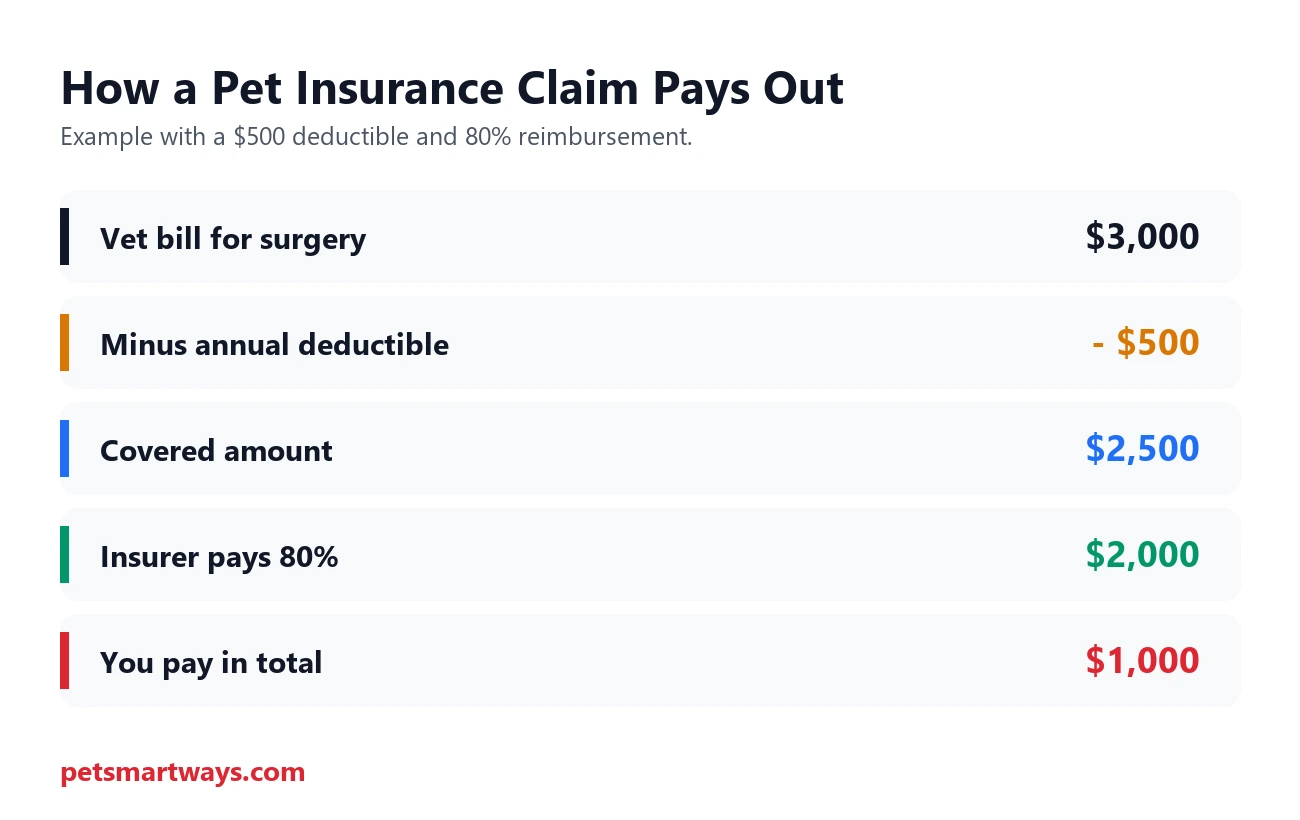
PetSmart’s own example uses a $1,200 bill at 90% reimbursement, which returns $1,080 minus any remaining deductible. The bigger the bill, the more the plan earns its keep.
Choosing a higher deductible lowers your premium. That suits owners who mainly worry about a large emergency rather than smaller bills.
Filing a Claim
Pay the vet first and ask for an itemized invoice. Then open the Healthy Paws app, snap a photo of the bill and submit it.
Healthy Paws may ask your vet for medical records, especially on a first claim. Keeping records from every past visit makes that step faster.
PetSmart says most claims are processed within 2 days. The payment covers the eligible share after your deductible.
Common Bills Insurance Can Help With
| Situation | Covered by insurance? |
|---|---|
| Swallowed toy or sock surgery | Yes, after the deductible |
| Broken leg after a fall | Yes |
| Cancer treatment | Yes |
| Ear or skin infection | Yes, minus the exam fee |
| Yearly vaccines | No |
| Dental cleaning | No, it’s routine care |
Dental cleanings are usually routine care, so plan for them separately. Our teeth cleaning guide shows typical Banfield prices.
Is It Worth It for Your Pet?
A young, healthy pet is the best time to buy, since premiums are low and nothing is pre-existing yet. PetSmart makes the same point on its insurance page.
Breeds prone to costly problems, like French Bulldogs, Great Danes and Bernese Mountain Dogs, gain the most from coverage that includes hereditary conditions.
For older pets with several existing conditions, a policy may exclude the problems most likely to happen. Putting the premium into a savings account can be the better choice.
If a surprise $3,000 bill would be hard to pay, insurance is worth a close look at any age. It lets you choose treatment without checking your bank balance first.
Insuring a New Puppy or Kitten
The weeks after adoption are the cheapest time to start a policy. Young pets have no health history yet, so fewer problems can be ruled pre-existing.
Schedule the first vet exam soon after you bring your pet home. It meets the exam requirement for pets under 6 and records a clean bill of health.
Large-breed puppies benefit most from early enrollment, because the 12-month hip dysplasia wait starts sooner. Our adoption guide covers what else to plan for.
Insurance for Cats
Cats cost about half as much to insure as dogs, based on the NAPHIA averages. That makes coverage an easy add for many cat owners.
Indoor cats still face costly problems like urinary blockages, swallowed string and kidney disease. These are the kind of sudden bills insurance is built for.
Insurance or a Savings Fund?
At the 2024 dog average of about $62 a month, a year of premiums comes to roughly $750. A savings account holding the same amount would take years to cover a $5,000 surgery.
Saving works best if you already have a cushion for emergencies. Insurance works best if one large bill would force a hard choice.
Some owners do both, keeping a small fund for the deductible and exam fees. That covers the costs the policy leaves to you.
How to Buy Through PetSmart
- Go to petsmart.com/pet-insurance and choose Get a Free Quote
- Enter your pet’s species, breed, age and your ZIP code
- Pick a deductible and reimbursement level
- Sign in with Treats Rewards to see if the 10% discount applies in your state
- Book a vet exam if your pet hasn’t had one in the past year
Get quotes from two or three insurers with the same settings so the comparison is fair.
Comparing Policies
- Payout limits, since a low yearly cap can run out in one emergency
- Coverage for your breed’s hereditary conditions
- Waiting periods, especially for hips and knees
- Whether exam fees are reimbursed
- Sample premiums at ages 4, 8 and 10
Healthy Paws stands out for having no payout caps but doesn’t cover exam fees. Other insurers make different trade-offs, so match the plan to your pet.
What Insurance Doesn’t Replace at PetSmart
Grooming, boarding, training and supplies are never covered by pet insurance. Budget for those separately with our grooming prices and boarding prices guides.
Microchipping is also routine care rather than a covered claim. Our microchip cost guide lists Banfield prices.
Pet Insurance Questions
Does PetSmart sell pet insurance?
Yes, through Healthy Paws on petsmart.com. The plan covers accidents and illnesses for dogs and cats.
Can I use PetSmart pet insurance at any vet?
Yes, any licensed vet in the U.S. works, including emergency hospitals. You don’t need to use Banfield.
Do Treats Rewards members get a discount?
PetSmart lists 10% off Healthy Paws for Treats Rewards members in select states.
How fast are claims paid?
PetSmart says most claims are processed within 2 days. You submit a photo of the bill in the app.
Does pet insurance cover pre-existing conditions?
No. Conditions with signs before coverage or during the waiting period are excluded.
Can I insure more than one pet?
Yes, but each dog or cat needs its own policy. PetSmart’s FAQ says you can add a policy for each additional pet.
Does pet insurance cover routine checkups?
No. Healthy Paws covers accidents and illnesses, and Banfield wellness plans cover routine care.
Who do I call about my policy?
Contact Healthy Paws, not PetSmart, for claims and billing. Our customer service guide covers questions for PetSmart itself.