PetSmart Small Animals Guide: Every Type They Sell
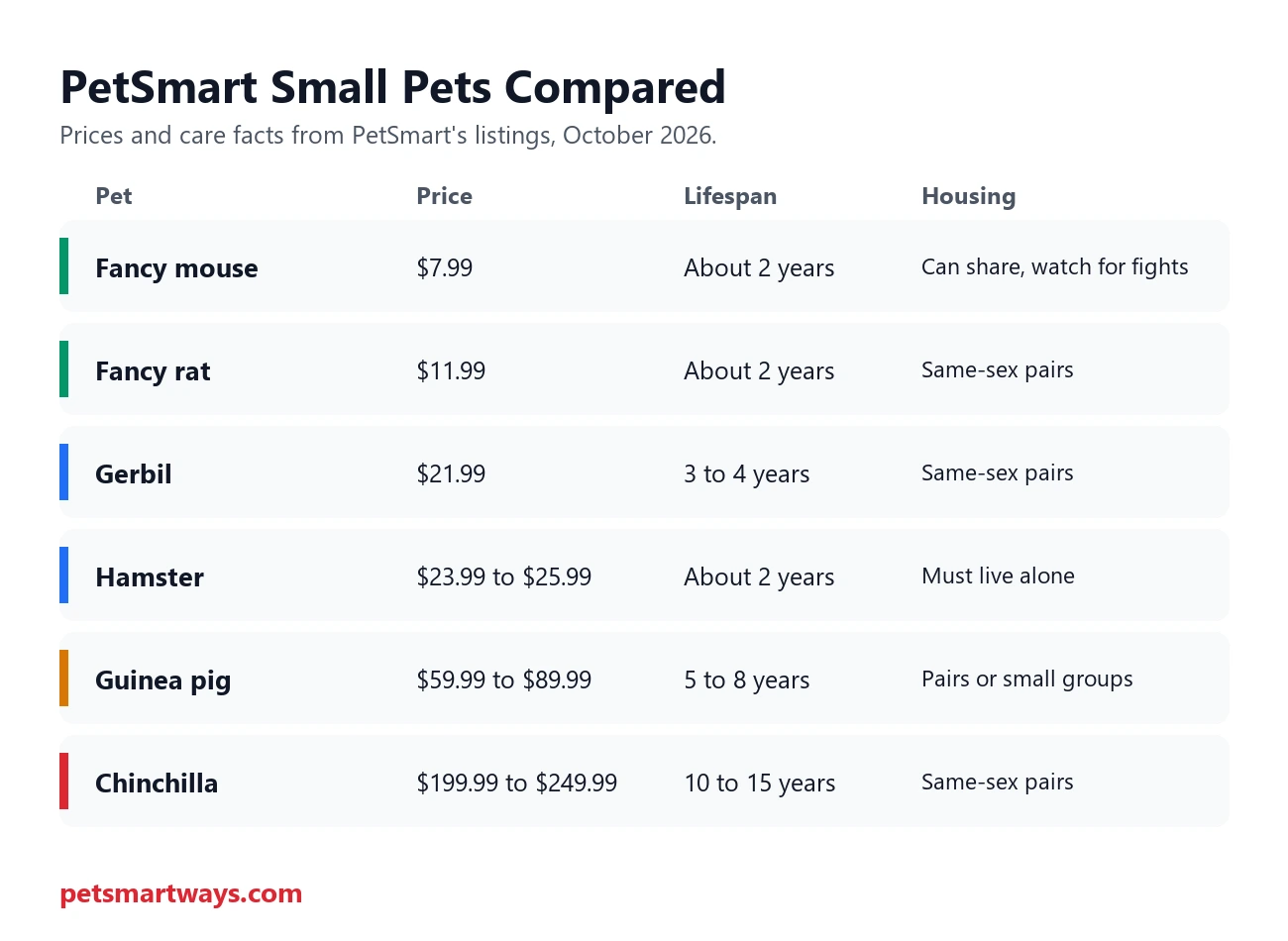
PetSmart sells six kinds of small pets, from a $7.99 fancy mouse to a chinchilla at up to $249.99. Hamsters, gerbils, rats, guinea pigs and chinchillas fill out the range, and every one comes with PetSmart’s 14-day health promise.
Their care needs differ more than their size suggests. Lifespans run from about 2 years to 15, and some must live alone while others need a friend.
Small Pets PetSmart Sells
Here’s how they compare, using PetSmart’s listed prices and its own care sheets.
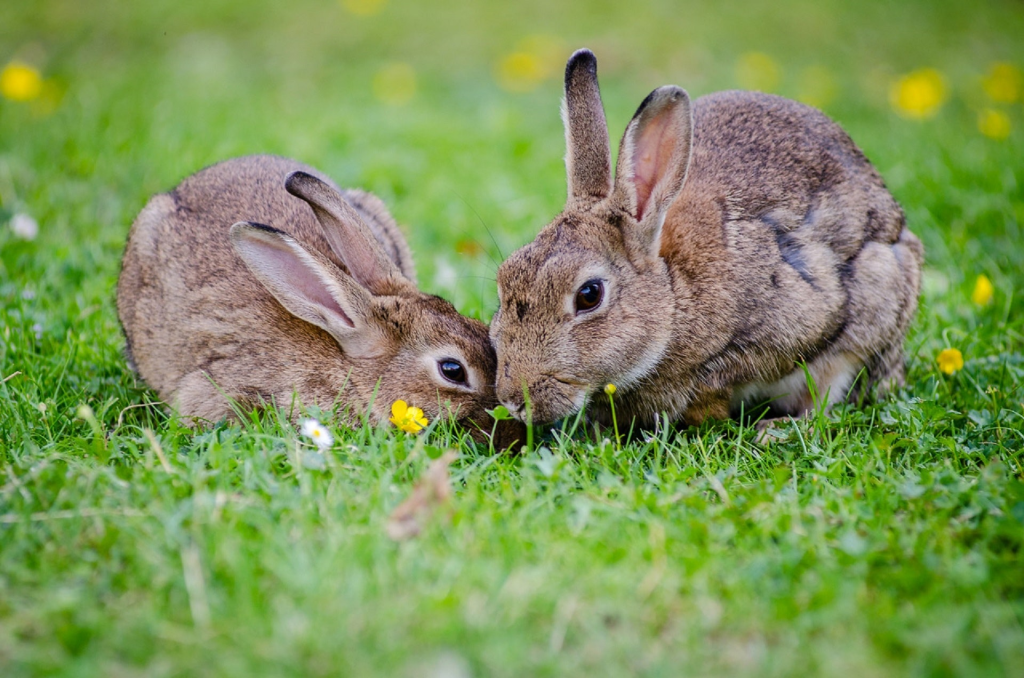
Live rabbits aren’t listed for sale on petsmart.com. You can sometimes find rabbits through the adoption partners at PetSmart stores, as our adoption guide explains.
PetSmart often runs small pet sales, like 20% off hamsters or guinea pigs in store. Check current offers before you buy.
Fancy Mice
Mice are the cheapest small pet at $7.99 and live about 2 years. PetSmart’s minimum habitat is 200 square inches, and multilevel homes are preferred.
Mice can be territorial, so give a group plenty of space, toys, bedding and bowls. They need wood chews to keep their teeth at a healthy length.
Fancy Rats
Rats cost $11.99 and are often called the most social and trainable small pet. PetSmart recommends same-sex pairs and a habitat at least 16 by 28 by 30 inches with several levels.
They live about 2 years and enjoy handling, games and learning tricks. Feed rat pellets with vegetables every other day and fruit once a week.
Gerbils
Gerbils cost $21.99 and live 3 to 4 years, longer than most small rodents. They’re active during the day, which makes them fun for families to watch.
PetSmart suggests same-sex pairs, ideally introduced young or bought together. Give them 3 to 6 inches of bedding to dig in and a sand bath two or three times a week.
Hamsters
Hamsters cost $23.99 for dwarf breeds and $25.99 for Syrians. PetSmart’s care sheet says every hamster should live alone, since they’re likely to fight.
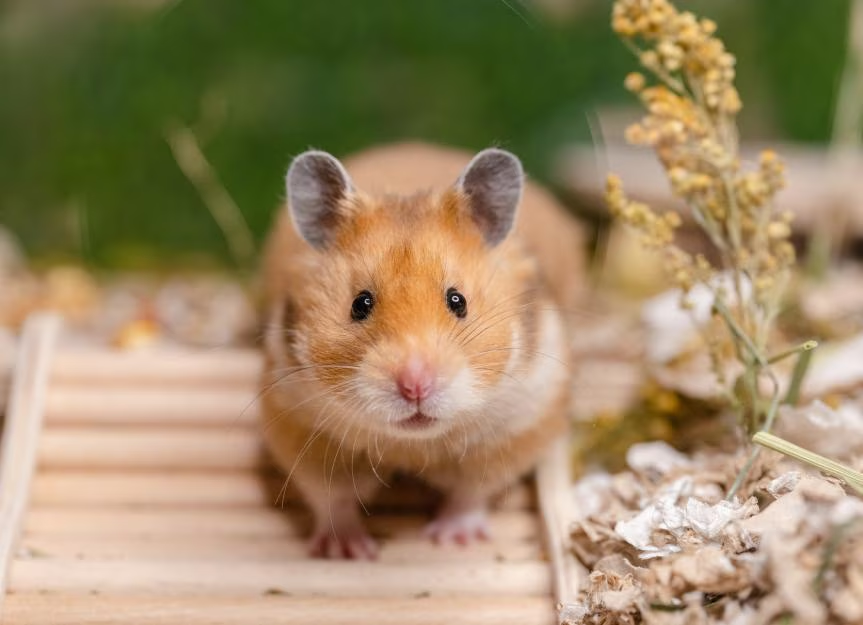
They need a solid-floored home of at least 350 to 450 square inches. Our hamster prices guide covers breeds and setup in detail.
Guinea Pigs
Guinea pigs cost $59.99, or $89.99 for a fancy coat, and live 5 to 8 years. They do best in same-sex pairs or small groups.
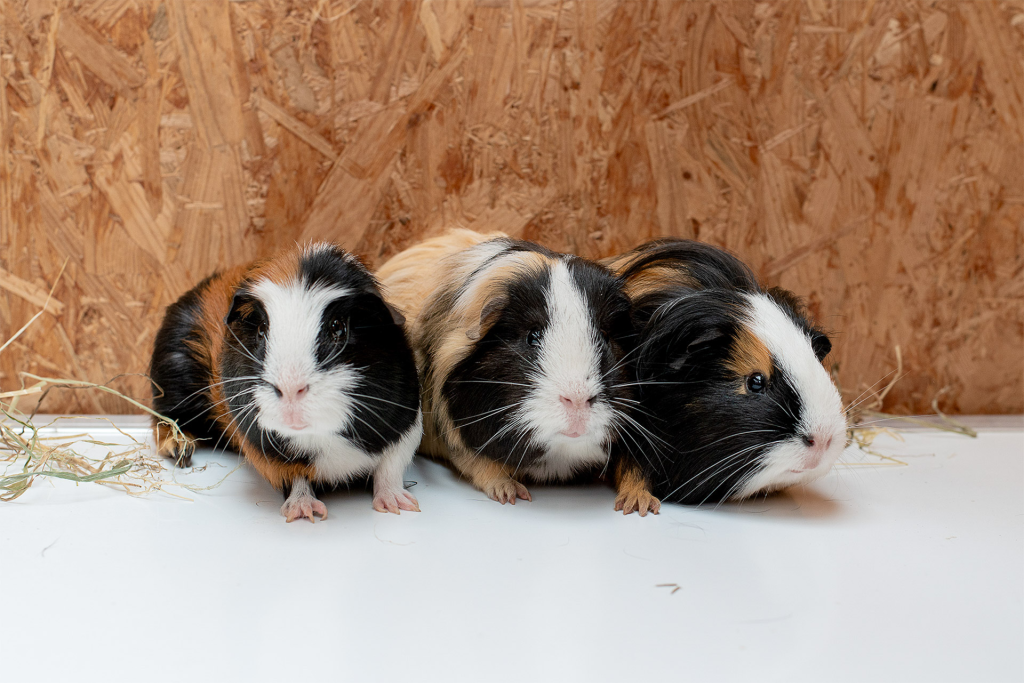
They need daily vitamin C from food and unlimited hay. Our guinea pig price guide breaks down the real first-year cost.
Chinchillas
Chinchillas are the most expensive at $199.99 to $249.99, and the longest-lived at 10 to 15 years. PetSmart recommends same-sex pairs in a habitat at least 24 by 24 by 42.5 inches.
Their dense fur needs regular dust baths in an area about 6 by 6 by 9 inches. Use a water bottle rather than a bowl to keep their fur dry.
Most of their diet should be timothy hay and chinchilla pellets. Keep them in a cool room, since their thick coats make them prone to overheating.
Rough First-Year Costs
The pet’s price is the small part. These rough estimates cover the animal, a habitat that meets PetSmart’s minimums, and a year of food and bedding.
| Pet | Estimated first year |
|---|---|
| One fancy mouse or a small group | About $200 to $400 |
| Pair of fancy rats | About $350 to $650 |
| Pair of gerbils | About $250 to $450 |
| One hamster | About $250 to $450 |
| Pair of guinea pigs | About $1,300 to $1,900 |
| Pair of chinchillas | About $1,000 to $1,600 |
Vet visits come on top of these numbers. Hay-eating pets cost the most because they go through hay and fresh vegetables every day.
Cage Size Matters
Many cages sold as small pet homes are smaller than these animals need. PetSmart’s own care sheets list minimum sizes, and bigger is always better.

Solid floors are kinder to small feet than wire. Multilevel homes add space for rats, mice and chinchillas, which love to climb.
Bedding and Habitat Basics
PetSmart’s care sheets recommend shredded paper, hardwood shavings or wood pulp bedding. Avoid pine, cedar and corn cob.
| Pet | Bedding depth |
|---|---|
| Hamster | 4 to 6 inches |
| Gerbil | 3 to 6 inches |
| Rat or mouse | About 1 inch |
| Guinea pig | Enough to cover the floor, or fleece liners |
Most small pets do best between 65 and 75 degrees, out of direct sun and away from drafts. Rats and mice also prefer a quiet spot away from heavy traffic.
Feeding Small Pets
Each species needs its own pellet formula, so don’t share food between them. Guinea pig pellets add vitamin C, and chinchillas need a hay-based diet.
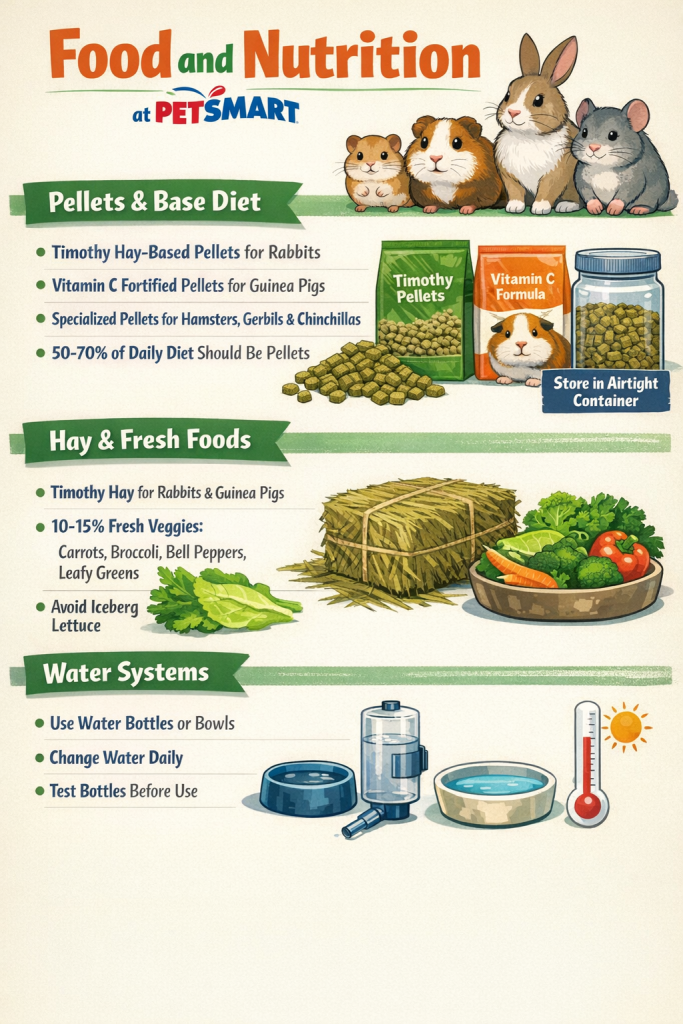
| Pet | Main diet | Extras |
|---|---|---|
| Hamster, gerbil, mouse | Species pellets | Vegetables every other day, fruit weekly |
| Rat | Rat pellets | Vegetables every other day, fruit weekly |
| Guinea pig | Timothy hay and pellets | Daily vegetables with vitamin C |
| Chinchilla | Timothy hay and pellets | Rose hips or alfalfa twice a week |
Fresh water should always be available. Check bottles every day, since spouts can jam.
Health and Vet Care
PetSmart advises watching any new pet closely for 30 days and seeing a vet within 14 days of purchase. Small pets hide illness well, so early checks matter.
- Not eating or drinking normally
- Sneezing, wheezing or discharge from the eyes or nose
- Overgrown front teeth or drooling
- Bare patches in the fur or sores on the feet
- Diarrhea or very few droppings
Find a vet who treats small animals before you need one. Many general clinics don’t, and emergencies happen quickly in tiny pets.
Keep the vet’s number on the fridge or in your phone.
Picking a Healthy Pet in Store
- Clear, bright eyes and a clean nose
- A full coat without bald spots or sores
- A clean rear end and dry tail area
- Even front teeth that aren’t overgrown
- Alert and curious, not hunched or sleepy at active times
Ask how old the animal is and whether it has been handled. Young, handled pets usually tame faster.
Handling and Taming
Give a new pet a few quiet days before handling. Talk softly near the habitat so it learns your voice.
Offer a treat from your open hand, then let the pet climb on by itself. Scoop it up with both hands and sit low so a jump or fall won’t hurt it.
Rats and chinchillas often enjoy handling once they trust you. Gerbils and mice are quicker and may prefer being watched or held briefly.
Enrichment Ideas
- Tunnels and hides made of wood, cardboard or hay
- Chew sticks and safe wood blocks
- Scatter feeding so pets forage for pellets
- Ladders and platforms for climbers like rats and chinchillas
- Supervised playpen time outside the habitat
Rotate toys every week so the habitat stays interesting. Bored small pets may chew bars or over-groom.
Summer and Winter Care
Small pets overheat easily, especially chinchillas and guinea pigs. On hot days keep the room cool and never place the habitat in direct sun.
In winter, move habitats away from drafty windows and doors. Avoid space heaters near the cage, since sudden temperature swings cause stress.
Adding a Second Pet
Social species like rats, gerbils, guinea pigs and chinchillas do best with company. Introductions go most smoothly with young animals or pairs that already live together.
Quarantine a new animal for a couple of weeks before introducing it. Then let them meet on neutral ground, and separate them if fighting draws blood.
Cleaning Routine
| How often | Task |
|---|---|
| Every day | Refresh water and food, remove uneaten fresh food |
| Every day or two | Spot clean soiled bedding |
| Every two weeks | Full bedding change and deep clean, per PetSmart |
| Every month | Wash hides, toys and water bottles thoroughly |
Leave a little clean old bedding when you deep clean, so the habitat still smells like home.
When You Travel
Small pets can’t be left alone for long, since water bottles jam and fresh food spoils. For trips longer than a day or two, arrange a sitter who knows the routine.
Leave written notes on feeding amounts, cleaning and warning signs, plus your vet’s number.
Hygiene and Kids
PetSmart notes that all animals can carry germs that spread to people. Wash hands with warm, soapy water before and after handling pets or their habitats.
Adults should help children wash up and supervise handling. Small pets may bite or scratch when frightened.
Which Small Pet Is Right for You?
| If you want | Consider |
|---|---|
| A friendly pet that enjoys handling | Rats |
| A pet that’s awake during the day | Gerbils |
| A low-cost first pet | Mice or hamsters |
| A long-term companion | Guinea pigs or chinchillas |
| A quiet pet for a single person | A hamster |
Think about lifespan as well as price. A chinchilla can live as long as a dog, while mice and hamsters live about 2 years.
Supplies and Saving Money
Set up the habitat before you bring your pet home. Buy the largest cage you can afford, since upgrading later costs more.
Hay and bedding work well on Autoship for steady savings, and Treats Rewards earns points on every order. Check our PetSmart coupons guide for current deals.
Small Pet Questions
Does PetSmart sell rabbits?
Live rabbits aren’t listed on petsmart.com. Check your store’s adoption center, since partners sometimes have rabbits.
Can I return a small pet?
Yes, within 14 days PetSmart will replace it or refund the price if it becomes ill or you’re not satisfied. Keep your receipt, as our live pet return guide explains.
Which small pet is best for kids?
Rats and guinea pigs are usually the most handleable. An adult should manage daily care and vet visits.
Can different small pets share a cage?
No, keep each species separately. Their diets, space needs and behavior differ, and mixing them can lead to injuries.
Which small pet lives the longest?
Chinchillas, at 10 to 15 years according to PetSmart.