Buying a Bird at PetSmart? Read This First
PetSmart birds represent one of the most accessible ways to bring a feathered companion into your home.
The retailer offers a solid selection of popular species, supplies, and expert guidance for both beginners and experienced bird owners.
This guide walks you through what PetSmart birds are available, what you need to know before buying, and how to set up proper care from day one.
Key Highlights
- PetSmart stocks common pet bird species including parakeets, cockatiels, and finches with trained staff available to answer questions.
- You’ll need essential supplies like cages, perches, food, toys, and bedding, all available at PetSmart alongside your new bird.
- Proper preparation and ongoing care directly impact your bird’s lifespan and health, making education before purchase critical.
What Birds Does PetSmart Carry
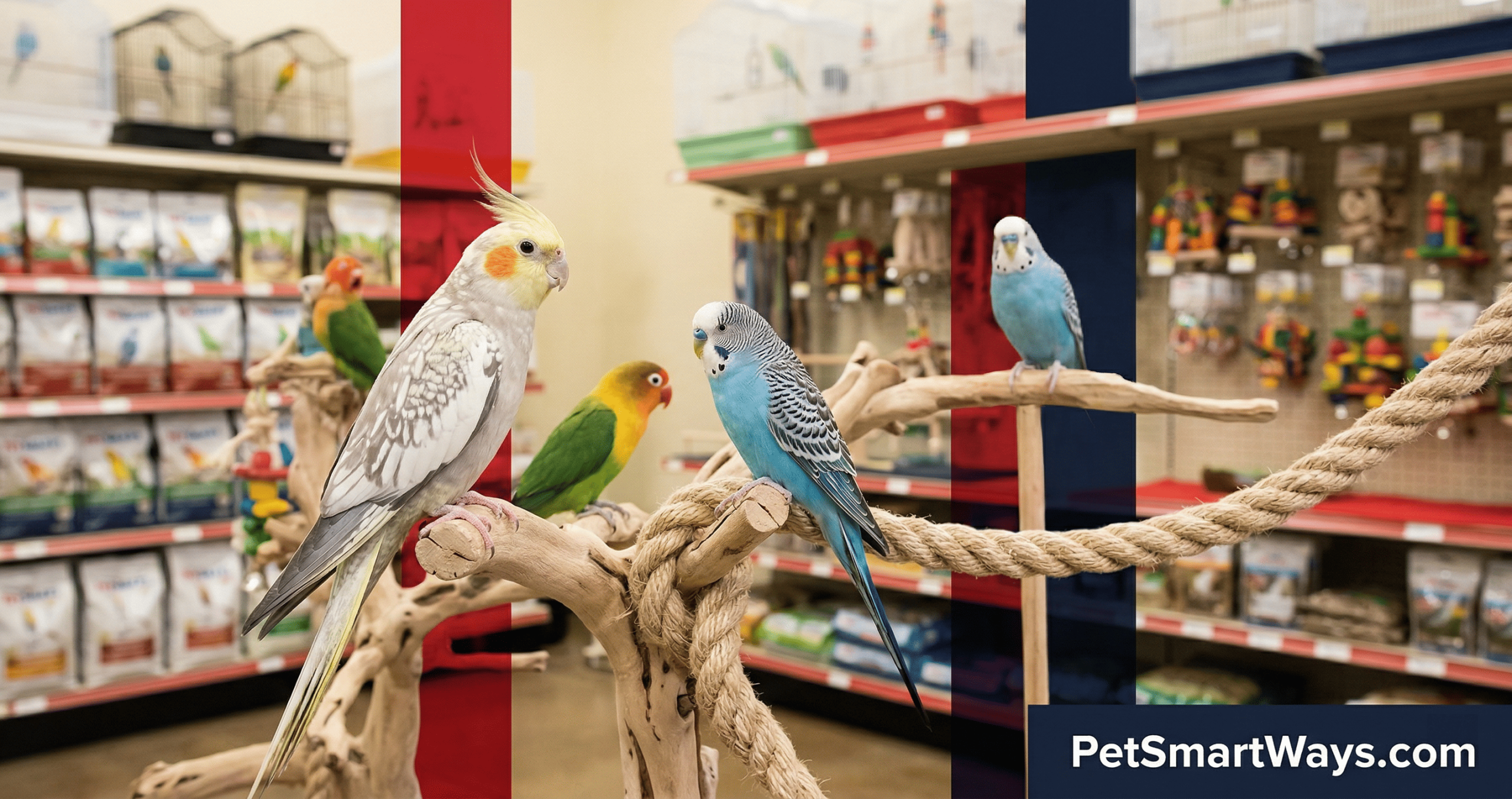
PetSmart’s bird selection focuses on species that adapt well to home environments and suit various owner experience levels.
The most commonly available birds include budgies (parakeets), cockatiels, canaries, finches, and occasionally lovebirds or conures. Availability varies by location, so calling your local store confirms what’s in stock.
Parakeets remain the most popular choice at PetSmart.
They’re affordable, social, and can live 10 to 15 years with proper care.
➤ Cockatiels cost more but offer longer lifespans, reaching 15 to 20 years, and develop strong bonds with their owners.
➤ Finches appeal to people who want birds but prefer lower interaction levels.
PetSmart generally does not stock larger parrots like macaws or African greys. If you’re interested in bigger species, specialty bird rescues or dedicated avian breeders are better resources.
Bird Species Available and Their Characteristics
Budgies
Budgies are small, colorful, and energetic.
➤ They typically cost between $20 and $40 at PetSmart.
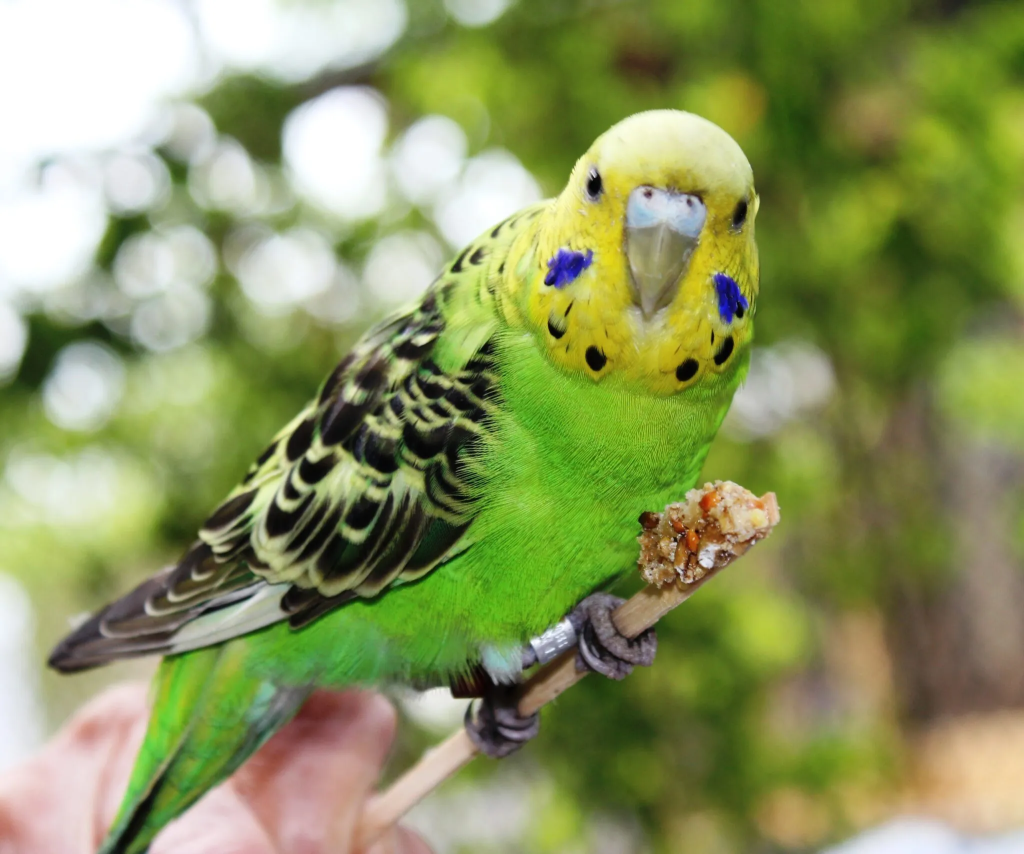
These birds are highly social and can learn to talk, making them excellent starter birds. They require daily interaction and a cage at least 18 inches wide, though larger is better.
Cockatiels
Cockatiels are medium-sized birds known for their distinctive crest and gentle temperament.
➤ Prices typically range from $80 to $150.
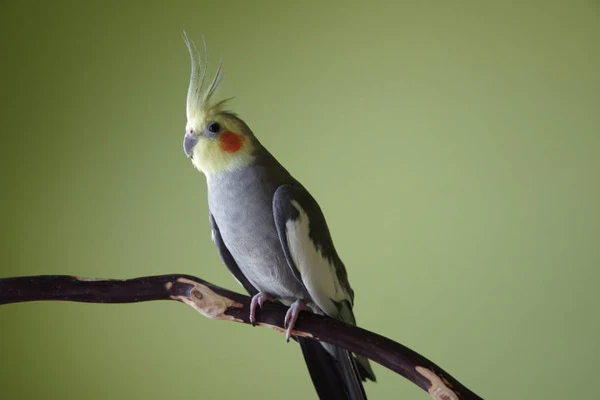
They’re excellent for people who want a more interactive pet than finches but perhaps less demanding than larger parrots.
Cockatiels can whistle melodies and mimic sounds. They bond closely with their owners and need at least 2 to 3 hours of social time daily. Their 15 to 20-year lifespan means this is a long-term commitment.
Canaries
Canaries are valued for their beautiful song and bright plumage.
➤ They cost around $25 to $50 at PetSmart.
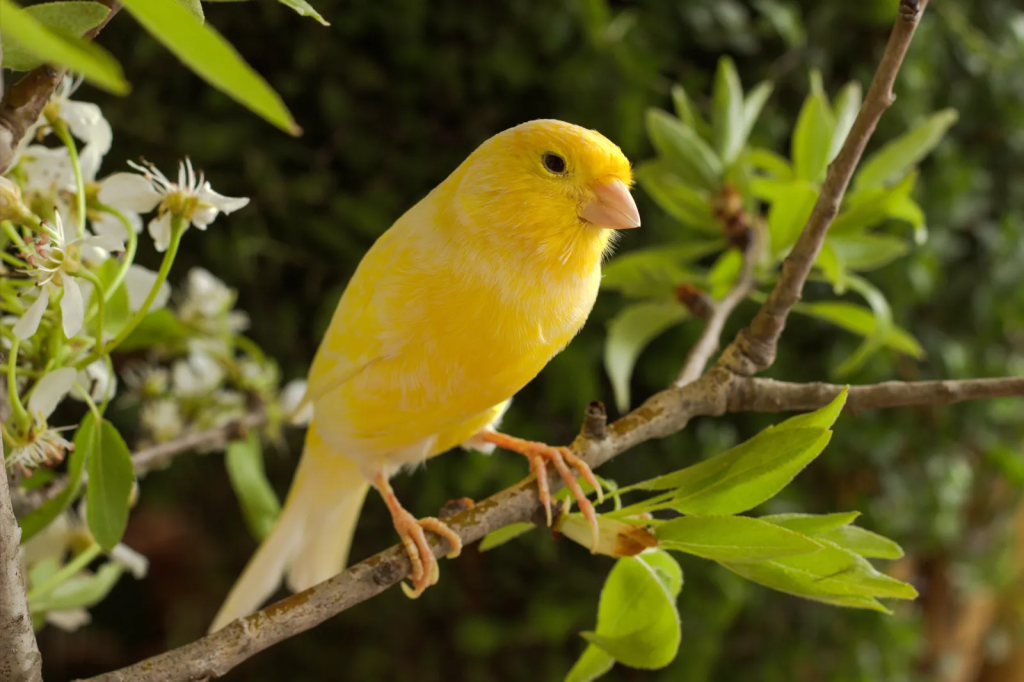
Unlike more social species, canaries prefer minimal handling and thrive in smaller cages with plenty of toys and perches.
These birds live 10 to 15 years and do well in homes where owners enjoy watching and listening rather than direct interaction.
Finches
Finches are tiny, cheerful birds perfect for people with limited space.
➤ They’re inexpensive, usually $10 to $20 each, and can be kept in small groups.
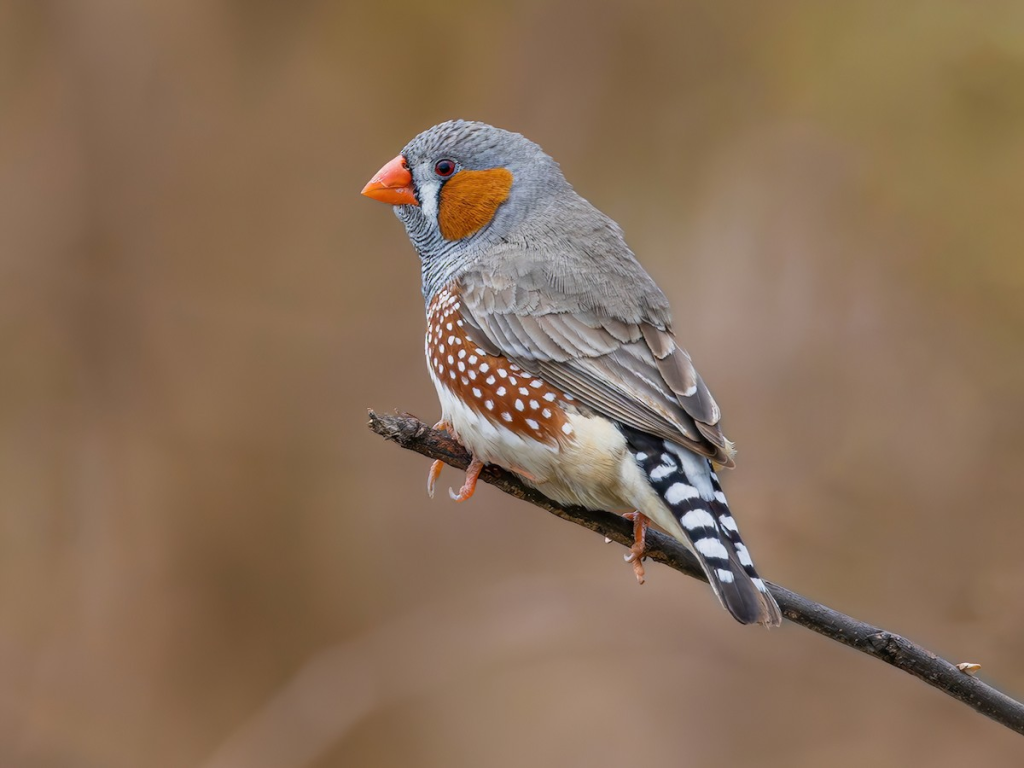
Finches sing softly and entertain themselves through social interaction with other finches.
They live 5 to 9 years and don’t require daily handling. A single finch can become lonely, so many owners keep pairs or small flocks.
Costs of Buying a Bird at PetSmart
The bird itself is just one cost. Here’s a realistic breakdown of what you’ll spend upfront:
- Bird purchase: $20 to $150 depending on species
- Cage: $50 to $300
- Perches and toys: $20 to $60
- Food and water dishes: $10 to $20
- Quality bird food: $15 to $30 per bag
- Bedding or cage liners: $10 to $20
- Initial vet check-up: $50 to $150
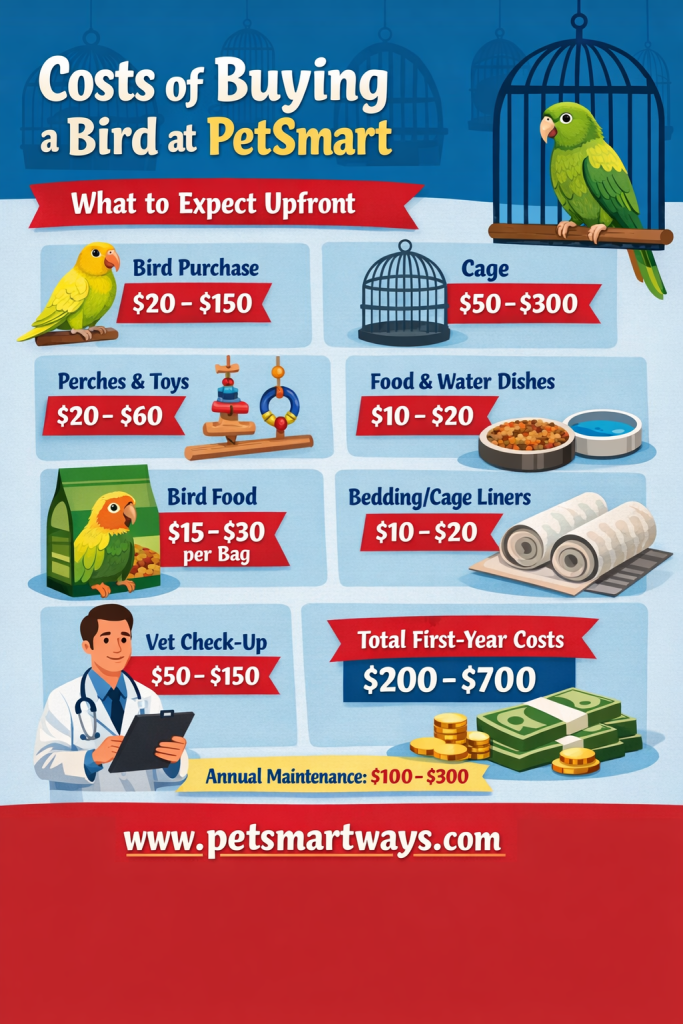
Total first-year costs typically range from $200 to $700. Annual maintenance costs average $100 to $300, depending on the bird species and your location.
Essential Supplies
The Cage
Your bird’s cage is its primary living space and deserves the most investment.
Cage Size
The minimum cage size depends on the bird, but bigger always serves the bird better. A budgie needs at least 18 by 18 by 24 inches, though 24 by 24 by 30 inches is better for multiple birds.
Cockatiels require even more space, ideally 24 by 24 by 36 inches or larger. Bar spacing matters too: finches need bars closer together than budgies to prevent escape.
Perches and Toys
Birds need multiple perches of varying diameters to maintain foot health.
Natural wood perches are better than plastic dowels. Rotate toys weekly to maintain interest and mental stimulation. Boredom leads to behavioral problems like feather plucking.
PetSmart carries a wide range of bird toys, from simple bells to complex puzzle feeders. Varying toy types keeps your bird engaged.
Food and Water Systems
Use separate dishes for food and water, or invest in automatic feeders and waterers.
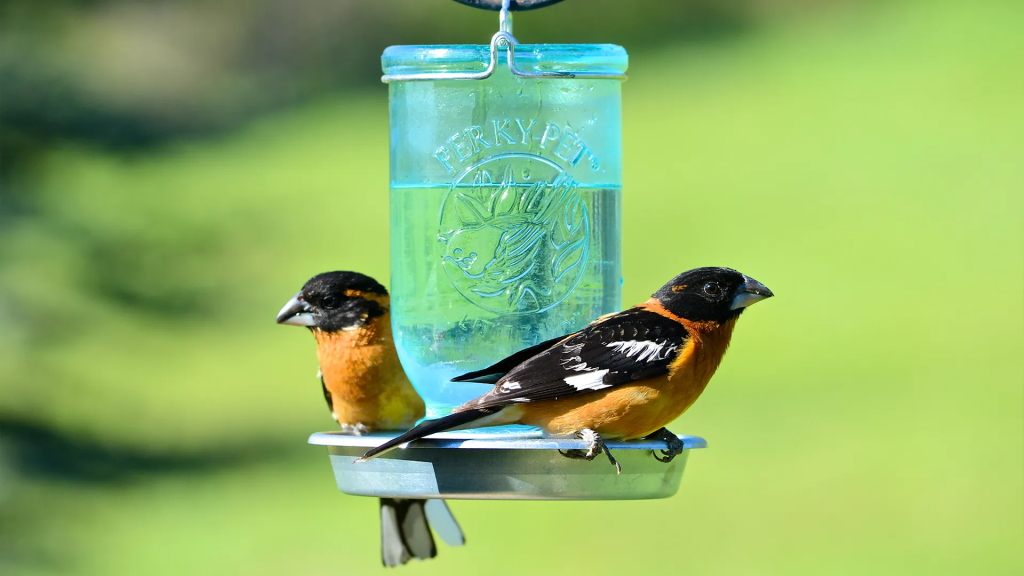
Many owners prefer stainless steel dishes because they’re durable and easy to clean. Change water daily without fail, as bacteria grow quickly in standing water.
Quality Bird Food
Pellets should be the foundation of your bird’s diet, not seeds alone.
PetSmart stocks several reputable brands. High-quality pellets contain balanced nutrients that seeds don’t provide.
Supplement with fresh vegetables like leafy greens, carrots, and broccoli daily.
Avoid avocado, chocolate, salt, and caffeine, all of which are toxic to birds.
How to Choose a Healthy Bird at PetSmart
Before purchasing, inspect the bird carefully. A healthy bird shows bright, alert eyes, smooth feathers without bald patches, and active movement. Listen for wheezing or clicking sounds, which indicate respiratory problems.
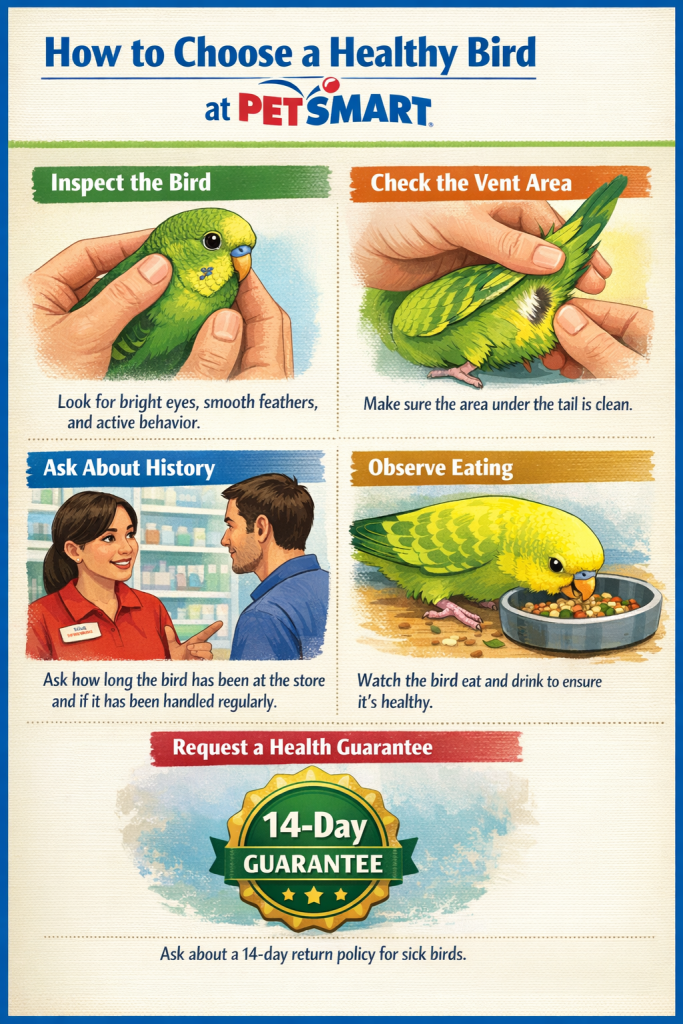
Check the vent area (under the tail) for cleanliness. Discharge or soiling suggests illness. Ask a PetSmart associate when the bird last ate and drank, then observe it eating in front of you if possible.
Request a health guarantee if available. Many retailers offer 14-day guarantees allowing returns if the bird becomes ill shortly after purchase.
Setting Up Your Bird’s Home
Placement and Environment
Position the cage away from kitchen cooking areas, as non-stick cookware fumes are deadly to birds.
Points To Consider
- Avoid placing the cage near windows with direct sunlight for long periods to prevent overheating
- Keep the cage in a social area so the bird feels included
- Avoid high-traffic or noisy spots that can cause stress
- Maintain room temperature between 65–75°F
- Protect birds from drafts and sudden temperature changes
Daily Care Routine
A consistent daily routine helps keep your bird healthy, active, and emotionally well-balanced.
Costs of Buying a Bird at PetSmart. Remove uneaten fresh food after 2 to 3 hours to prevent spoilage. Spot-clean the cage daily by removing droppings and debris, then do a full cage cleaning weekly.
➤ Provide 10 to 12 hours of sleep in a quiet, dark environment.
Sleep deprivation causes behavioral and health issues in birds.
Veterinary Care for PetSmart Birds
Schedule a vet check within the first week of bringing your bird home.
Veterinary Care
- Visit an avian veterinarian for specialized bird care and early health detection
- Ask PetSmart staff for recommendations on nearby avian specialists
- Schedule annual wellness exams since birds often hide illness
- Watch for signs like ruffled feathers, low appetite, lethargy, or wheezing
- Contact a vet immediately if you notice any unusual behavior or symptoms
Emergency vet bills for birds can exceed $500 to $1,000, so budgeting for unexpected care is wise.
PetSmart Bird Services and Support
Many PetSmart locations offer in-store consultations with pet care specialists.
➤ These staff members can answer questions about setup, feeding, and basic care.
PetSmart also carries a comprehensive range of bird-specific supplies, from specialty diets to cage accessories. This one-stop shopping makes it convenient to get everything you need.
Nail trimming and wing clipping require professional handling and cost between $15 and $40.
Check if your local PetSmart offers grooming services for birds.
Quick Summary
PetSmart birds, including parakeets, cockatiels, and finches, offer accessible entry into bird ownership with trained staff support and readily available supplies.
Success requires proper housing, quality nutrition, regular veterinary care, and daily interaction suited to each species’ temperament.
Research your chosen bird species thoroughly and commit to long-term care before purchasing, as these are living companions requiring genuine responsibility and investment.